

### Blog Post:
Elevated toilet seat with arms products are not just a convenience—they are essential tools for seniors, caregivers, and anyone seeking to make bathroom routines safer and more manageable in 2024 and 2025.
Key Takeaways
- Raised toilet seats with arms deliver measurable safety and comfort benefits, especially for seniors and people with reduced mobility or arthritis.
- Not all elevated toilet seats are equal—knowing key specs and common user complaints prevents buyer regret and potential hazards.
- Models like ProBasics E-Z Lock, Drive Medical, Carex Classics, and Etac set the standard in the 2024–2025 market with advanced safety features and improved ergonomics.
- Why Elevate? The Benefits of Raised Toilet Seats with Arms
- The 2024–2025 Market: Top-Selling Models and Buyer Trends
- Common Pain Points: What Do Seniors and Caregivers Complain About?
- Hard Specs to Look for (and Why They Matter)
- The Best Models of 2024–2025: Comparison Table
- How to Choose & Install Safely
- FAQ
Why Elevate? The Benefits of Raised Toilet Seats with Arms
An elevated toilet seat with arms transforms standard bathrooms into safer and more accessible spaces. By raising seat height and adding supportive armrests—similar to a sturdy toilet safety rail—these products reduce the physical strain of sitting and standing for seniors, arthritis sufferers, and people recovering from hip or knee surgery. For many, this added height and support enables true independence and privacy in toileting.
Market data from 2024–2025 shows around 55% of all elevated toilet seat with arms purchases are for adults aged 65 and above. Nearly a third of the demand comes from home-care agencies and family caregivers who want peace of mind for their loved ones. The data also show that falls in the bathroom are a top reason for emergency room visits in adults over 65, so solutions like toilet seat risers are not just about comfort—they are also about critical safety.
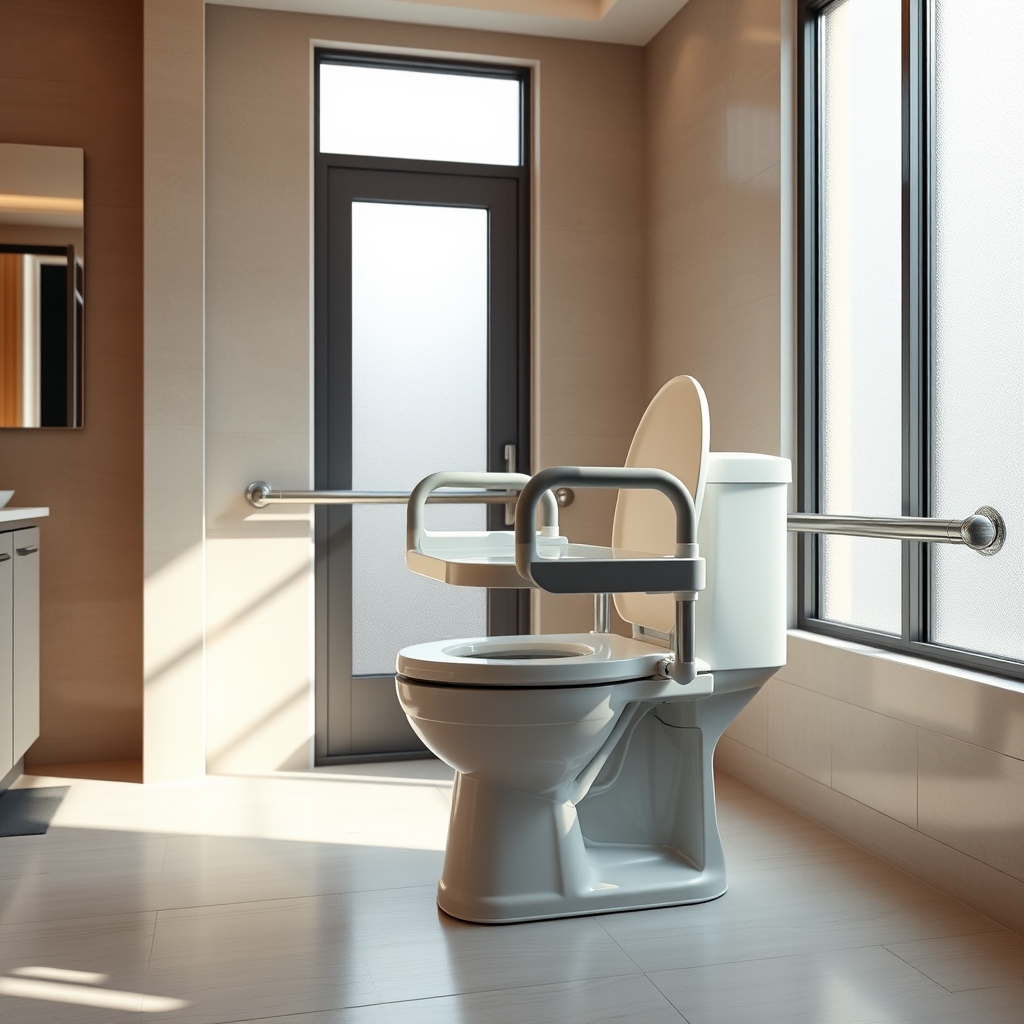
For people facing joint stiffness, poor balance, or recovering from surgery, these seats’ arms serve as grab bars helping steady every transition. Properly selected models also make it easier for caregivers to assist without awkward lifting or personal strain.
To learn even more about comprehensive bathroom adaptations, see our guide on enhancing bathroom safety with the ADA Compliant Grab Bar and the Aging In Place Bathroom Kit.
The 2024–2025 Market: Top-Selling Models and Buyer Trends
Between 2024 and 2025, the global market for elevated toilet seats reached roughly $800 million, with 30 to 35 percent of units featuring arm supports. Residential customers—primarily seniors and caregivers—drove about 85 percent of purchases, while facility and hospital use made up the rest. The average price for a well-built raised toilet seat with arms is $40 to $70, with premium hinged models costing a bit more due to durability and cleaning ease. Models such as ProBasics E-Z Lock, Carex Classic, Drive Medical 12402, and Etac have become the top choices, even though they represent a smaller overall unit volume. They earn higher revenue because buyers find their adjustable heights, locked arms, and quality hardware worth paying for.
Carex and Drive Medical continue to lead mainstream sales because their products offer solid adjustability, tool-free installation, and reliable weight support. Hinged-arm designs command a premium price but are highly favored for easy cleaning and long-term comfort, especially for multi-user homes or those with frequent caregivers cycling through.
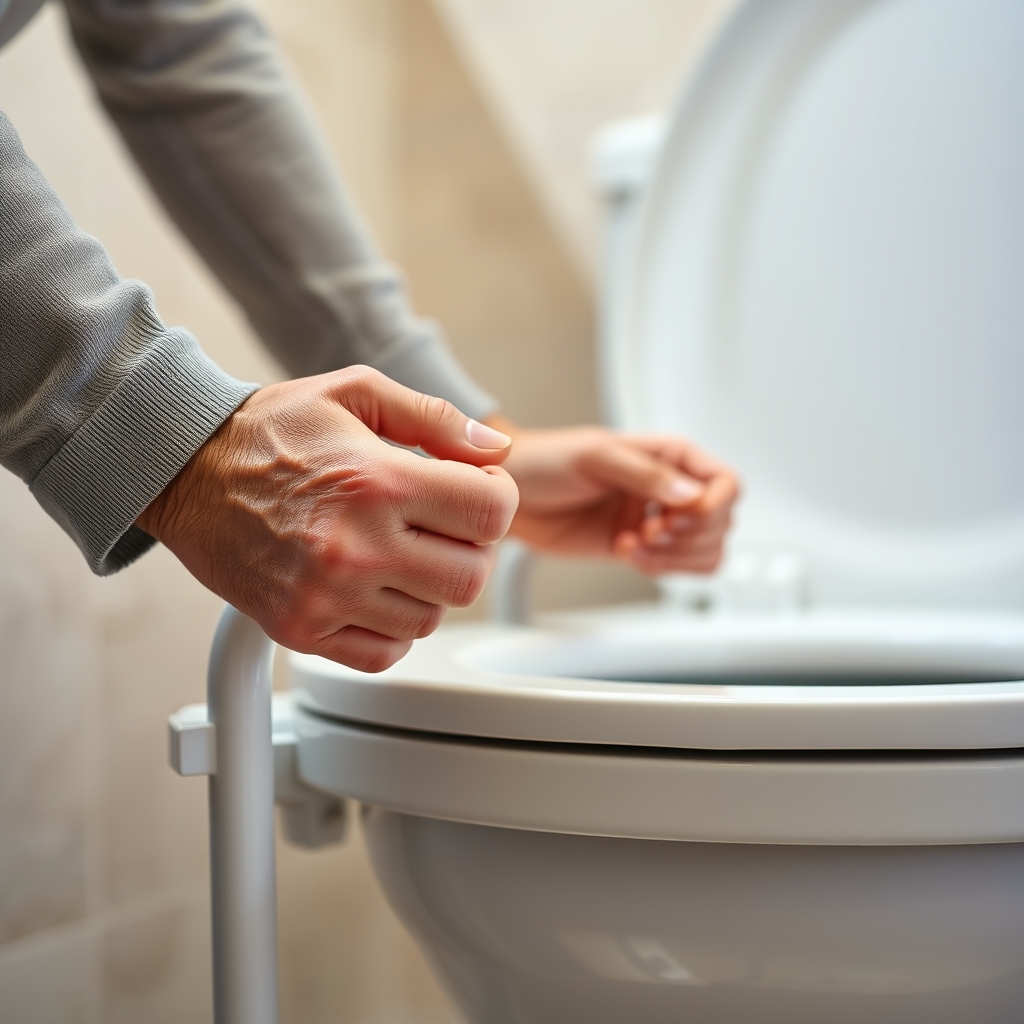
Buyer trends also reflect a rising demand for versatile accessories. Bariatric households look for toilet seat risers with arms rated well above 300 lb. Others want seats that can be quickly detached for cleaning—a feature that helps minimize odor and maintain hygiene. Read more about high-capacity bathroom safety on our Bariatric Shower Bench guide.
To further support safety, many buyers now select raised toilet seat models featuring anti-slip pads and included toilet frame grab bars for added security. If you’re outfitting a home for total fall prevention, pairing your seat with a bathroom fall detection device and a non-slip bathtub mat makes a strong, layered solution.
Common Pain Points: What Do Seniors and Caregivers Complain About?
Despite market growth, user reviews reveal clear, recurring pain points. The number one frustration is installation—even for “tool-free” systems. Many seats require careful torque and, if not fastened just right, may wobble, tilt, or even slide during use. This undermines the entire safety mission and can create new hazards for the very people these products aim to help.
Other common complaints include:
- Load ratings: Many cheaper seats support just 250 to 300 lb, leaving bariatric users at risk. Many homes need a toilet riser rated for at least 350 lb, ideally 500 lb for peace of mind.
- Cleaning hassles: Non-hinged risers trap moisture, leading to odors or even mold growth. Fixed arms often creak or slip over time, and small openings feel cramped.
- Limited adjustability: Fixed-height risers may not fit all users comfortably, especially those with tall frames or unique knee-to-floor measurements. Only adjustable units let you dial in the perfect support.
- Compatibility: Some seats do not fit securely on elongated or compact round toilets, especially in older homes or apartments.
These issues are echoed by seniors and caregivers worldwide. The Wirecutter review highlights that most users demand a balance between ease of use, customizable fit, and durable safety features—but find that many models fall short in at least one area.
Many customers, after an initial purchase, upgrade to hinged-arm models for easier cleaning and quieter use, especially in multi-member homes or facilities. Cleaning difficulties often prompt families to consider an upgrade within six months of buying a budget model. For even greater bathroom stability, learn about grab bars and integrated night lights for senior bathrooms.
Hard Specs to Look for (and Why They Matter)
Experts recommend focusing on several technical specifications when selecting a toilet riser with arms:
- Tool-free locking: Seek out models with clear torque feedback (15 to 20 Nm) for confident, wobble-free installation.
- Heavy-duty load rating: A minimum capacity of 350 lb is essential. Bariatric or multi-user homes should target 500 lb for added security.
- Adjustable height: The optimal range is 2 to 6 inches, ideally in 0.5-inch increments. Incremental adjustability means the seat can be matched to the user’s stature and home toilet height.
- Hinged, quick-release design: Hinged risers make for easier cleaning. Look for quick-release latches or removable arms for thorough sanitizing—even dishwasher-safe parts if available.
- Ergonomic, rubberized arms: Arms set at a natural angle (15–30 degrees) and covered with slip-resistant rubber provide safe leverage and comfort for sensitive hands and wrists.
For users with particularly narrow bathrooms or caregivers supporting transfers, consider a drop arm raised toilet seat. This design allows the arm to swing away or fully down for side access, making it invaluable during post-surgical rehab.
Pro tip: Units with universal-fit bases and anti-slip pads will minimize shifting and reduce damage to toilet enamel.
For a deep-dive into heavy-duty support options, see our resources for bariatric bathroom safety.
The Best Models of 2024–2025: Comparison Table
Premium models are setting the bar for the elevated toilet seat with arms segment. Below is a direct feature comparison to help you quickly evaluate which option fits your needs.
| Model | Price Range | Load Rating | Height Adjustability | Hinged/Removable Arms | Anti-Slip Features | User Satisfaction |
|---|---|---|---|---|---|---|
| ProBasics E-Z Lock | $55–$75 | 300 lb | 3 options | Removable, non-hinged | Yes | Excellent |
| Drive Medical 12402 | $60–$85 | 300 lb | 3.5″, 5″, 6″ | Fixed, non-hinged | Yes | Very Good |
| Carex Classics with Armrests | $37–$55 | 300 lb | 4.5″ Fixed | Removable arms | Partial | Good |
| Etac My-Loo with Support | $75–$115 | 440 lb | 2″–6″ in steps | Full hinge, quick release | Best in Class | Best |
Etac’s hinged, heavy-duty unit is unmatched for bariatric use and easy cleaning, but comes at a higher price. Drive and ProBasics models balance cost and utility for most households. Carex classics are affordable, but limited in adjustability and load rating. If stability is still a concern, supplement your setup with a purpose-built toilet safety rail.

How to Choose & Install Safely
Here’s a concise, actionable checklist for choosing the right raised toilet seat and installing it securely:
- Measure your toilet bowl: Confirm if your bowl is elongated or round. Universal seats are available for most shapes.
- Select capacity and adjustability: Choose a product rated above your user weight, with at least 2–6” adjustable height.
- Check armrest type: Look for ergonomic armrests with rubber grips that are removable or foldable for cleaning.
- Consider hinged models: For easier cleaning, select a seat with a hinged lift or quick-release function.
- Install with care: Follow all instructions, ensuring anti-slip pads and locking mechanisms are firmly activated. Listen for the “click” that indicates correct torque.
- Test stability: Before regular use, test the seat by sitting down and adjusting grip pressure on the arms. If it shifts, realign and retighten.
- Maintain regularly: Clean the riser and arms weekly. Hinged or removable models simplify this step substantially.
Research highlights the risk of sliding or forward tilt if the seat isn’t properly locked, especially on slick porcelain bowls. Always make use of anti-slip pads and check for universal-fit locking before approving the setup for daily use. If persistent instability occurs, contact the manufacturer or consult an occupational therapist.
Pairing a raised toilet seat with arms with a shower chair and reliable walk-in bathtub conversion helps round out a complete aging-in-place bathroom.
FAQ
How do I know if an elevated toilet seat with arms is compatible with my toilet?
Most models specify whether they fit round or elongated bowls. Universal-fit risers often accommodate both, but double-check listing details or measure your seat for certainty before purchasing.
What is the most common installation problem?
Tool-free seats often feel loose if not twisted to the correct torque. Always check that anti-slip pads are contacting the porcelain and that all fasteners are engaged. If movement persists, reinstall or select a different model.
How often should the seat and arms be cleaned?
Weekly cleaning is recommended for sanitary use. Hinged or quick-release arms allow for more thorough cleaning and prevent odors or buildup.
What weight capacity should I look for?
350 lb is the new minimum recommendation, even for single-user homes. Bariatric or multi-user homes should seek a 500 lb rating for maximum safety.
Is a drop arm raised toilet seat necessary?
Drop arm models are highly useful for caregivers and anyone needing side transfers—such as wheelchair users or post-operative patients. For direct transfers, a drop arm seat can be invaluable.