

### Blog Post:
Bariatric shower bench selection is a high-stakes choice for families and caregivers of plus-size seniors—because not all shower seats are built to withstand true bariatric use, and the consequences of buying the wrong one can be serious.
Key Takeaways
- Standard shower seats often fail to support heavier users safely; only true bariatric shower benches meet actual durability and comfort needs for plus-size seniors.
- Key features like certified weight capacity, anti-slip feet, reinforced frames, and reliable drainage are critical—user reviews commonly overlook real-world long-term reliability and warranty gaps.
- Careful vetting of both benches and add-on accessories, such as heavy duty grab bars, reduces common safety risks that arise from product failure or poor fitting in the home shower.
- Why Bariatric Shower Benches Demand Special Consideration
- Key Features to Look for in a Safe and Reliable Bariatric Shower Bench
- Comparing Bariatric Shower Bench Types & Price Ranges (2024–2025)
- Red Flags: Real-World Failure Modes and How to Avoid Them
- What Real Buyers Still Need: Gaps in Reviews and the Fine Print
- Recommended Bariatric Shower Benches and Add-on Safety Solutions
- Making the Right Choice: Checklist Before You Buy
- FAQ
Why Bariatric Shower Benches Demand Special Consideration
Bariatric shower benches and bariatric shower seats are purpose-built for plus-size seniors who need safe, durable bathing support. Standard shower chairs rarely meet the requirements—typical models are only rated for up to 250 to 400 pounds, while bariatric models accommodate users up to 900 pounds and feature larger seats, reinforced frames, and strong, wide-set legs to prevent tipping. The harsh reality is that using standard models for heavier individuals leads to common hazards: frame bending, collapsing, or slow failure, putting users at direct risk of falls and injury.
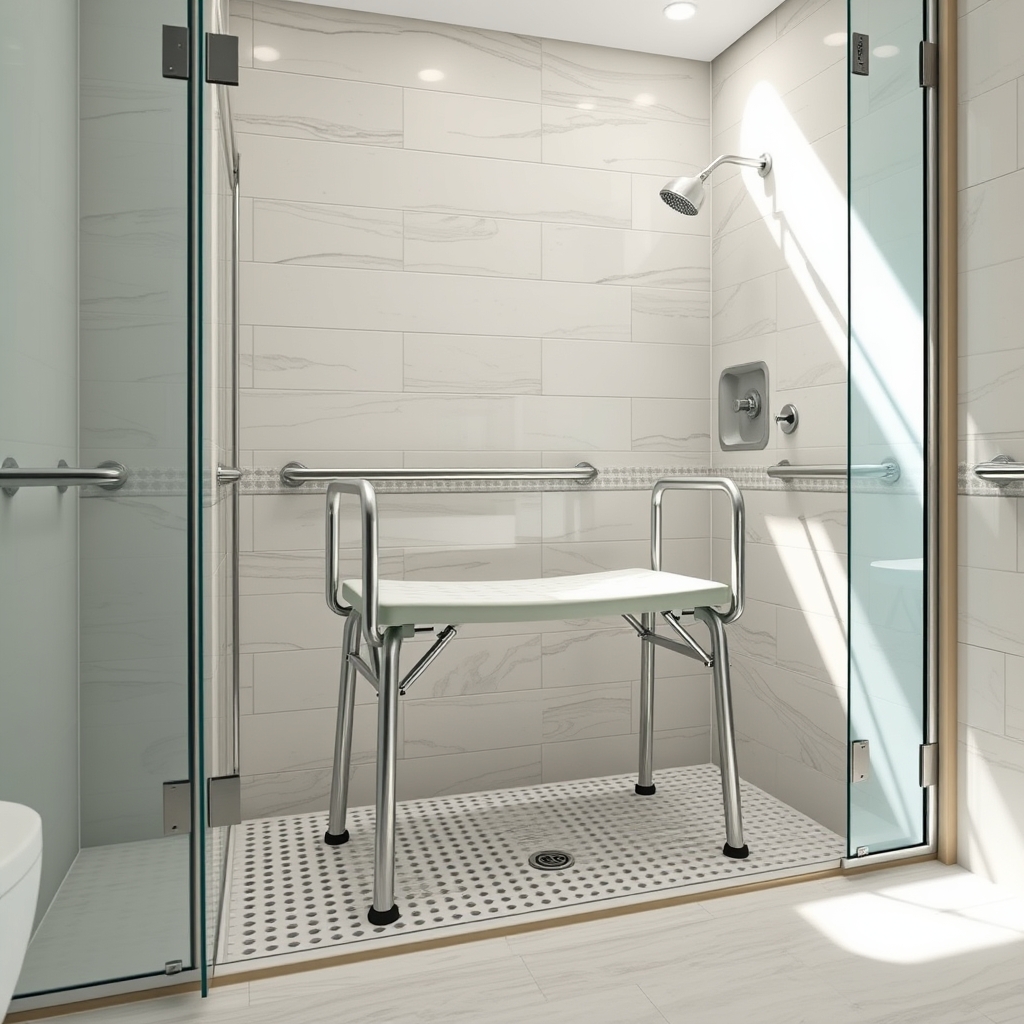
Market data shows that the bariatric-capacity segment made up approximately 15% of the global shower-seat market in 2024, totaling about 480,000 units sold and growing [source]. Despite this, many retail listings mislabel products as “bariatric” without full-scale testing, creating a huge gap in user safety assurance.
For caregivers and adult children, choosing the wrong bench isn’t just a comfort issue—it’s a safety and liability risk that can have lasting consequences.
Key Features to Look for in a Safe and Reliable Bariatric Shower Bench
Not all shower benches for elderly or shower chairs for seniors are made equal. To ensure true safety, look for:
- Certified Weight Capacity: Choose benches clearly tested to handle the intended weight, ideally with at least 20% margin (i.e., 500 lb user needs at least 600 lb certified bench).
- Anti-Slip Stability: Wide, adjustable rubber feet or multi-point suction cups are essential. Many frame failures stem from foot slippage, especially on wet or soapy bathroom tiles.
- Reinforced Frame Construction: Opt for thick-gauge aluminum or steel, or select premium hardwood (like teak) models with documented test data.
- Adjustable Height & Wide Seat Design: Adjustment options help tailor fit for easy and safe transfers—tight fit or low clearance makes sit-to-stand risky.
- Drainage & Easy Cleaning: Drain holes prevent water pooling; seamless surfaces minimize build-up of soap and bacteria.
According to both researchers and caregiver-reported feedback, common pain points include surprising frame failure, dangerous foot slippage, hard-to-clean surfaces, poorly documented adjustability, and rapid rust or plastic degradation.
Models with removable, padded shower seats or backrests can add comfort—but only if the padding is backed by waterproof ratings and non-slip covers. Reviewers often praise “padded shower seat” comfort, but unsealed foam can harbor mold and add cleaning headaches. Prioritize cleaning ease as much as comfort.
Want even more comprehensive bathroom safety? Consider pairing your bench with a high-traction bathtub mat for seniors or an adjustable shower chair for multi-senior homes.
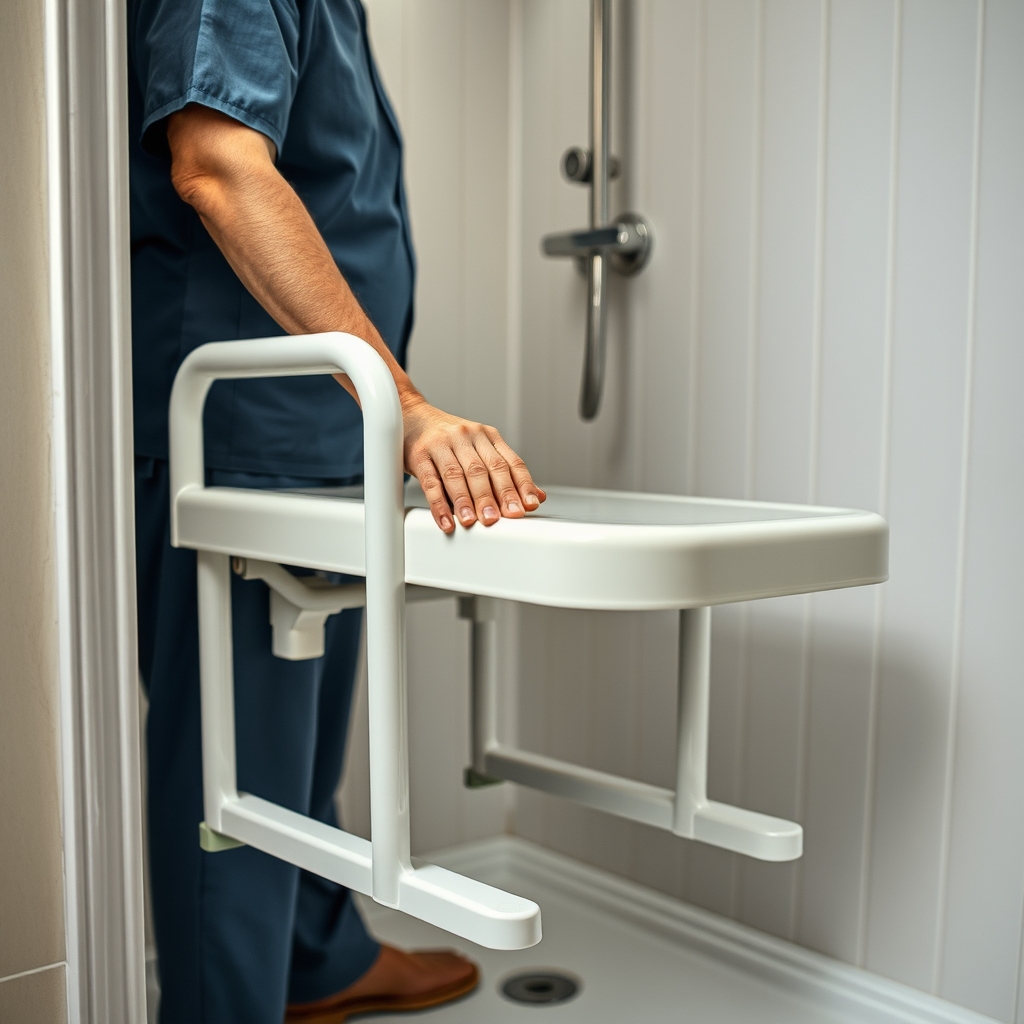
Comparing Bariatric Shower Bench Types & Price Ranges (2024–2025)
Shower benches and portable shower seats for plus-size adults now come in three core categories:
| Category | Price Range (USD) | Materials | Core Features | Drawbacks |
|---|---|---|---|---|
| Entry-Level | $150–$300 | Aluminum, polymer | Basic armrests, rubber feet, adjustable height | Lower max weights, basic padding, plain design |
| Mid-Range | $300–$500 | Thick-gauge aluminum, reinforced plastic | Padded shower seat, removable back, mid-grade drainage | Limited style, heavier frames |
| Premium | $500–$800+ | Heavy-duty aluminum, stainless steel, teak | Adjustable arms/back, extreme weight capacity, advanced drainage, tool-less setup | Costly, may not fit smaller tubs/showers |
Premium models, like the robust Vive Heavy Duty Bariatric Shower Chair, offer up to 900 lb weight capacity and advanced ergonomic features. But even mid-range options with upgraded padding now include features once limited to expensive institutional products [source].
Remember, proper fit is critical—some premium benches may offer unmatched safety but can be bulky or difficult to maneuver in smaller home showers. Be sure to measure your space before selecting.
Red Flags: Real-World Failure Modes and How to Avoid Them
Based on user research and manufacturer reporting, here are the top five real-world failure modes for bariatric shower benches, plus prevention tactics:
- Frame deformation/collapse: Never exceed stated weight capacity. Factor in clothing, water weight, and accessory lbs. If possible, choose a bench rated above user weight.
- Footing issues/slipping: Install on a flat surface. Check feet weekly. Upgrade to a heavy duty grab bar and non-slip bath mat for full coverage.
- Awkward transfers & limited adjustability: Choose models with arms and broad height ranges—avoid fixed-height units unless a perfect fit is proven.
- Rust/plastic degradation: Inspect joints monthly. Dry seat after every use. Select corrosion-resistant models (aluminum, stainless, or certified hardwood only).
- Poor drainage/water pooling: Benches should have built-in drainage holes and simple surfaces to prevent hazardous pooling—if not, drilling extra holes (per manufacturer guidance) may be necessary.
Many of these risks can be further reduced by supplementing the bench with an adjustable toilet safety rail or by using a complete bathroom safety kit for coordinated protection. Reading real caregiver reviews and watching for repeated complaints on known models is also a wise move.
What Real Buyers Still Need: Gaps in Reviews and the Fine Print
Top-rated bariatric shower bench models often seem perfect at a glance. But buyer protection is weakened by missing or unclear info in many listings and reviews:
- Long-term durability: Most reviews rate initial build only—look for feedback mentioning use for 12+ months, and ask sellers about expected lifespan.
- Maintenance and cleaning: Is detailed cleaning required? Are there hidden maintenance costs—replacement feet, draining systems, or specialty cleaning tools?
- Warranty and returns: How long is the warranty? Which parts are covered? Are return policies hassle-free, especially for heavy or assembled benches?
Market research [source] confirms that lack of transparency on these points is widespread, even for supposedly ‘best’ models. Always ask suppliers and manufacturers specifics and get details in writing before finalizing your purchase. Double-check the process for obtaining warranty repairs or replacement parts, as return shipping for heavy benches may cost more than the refund itself.
Recommended Bariatric Shower Benches and Add-on Safety Solutions
Based on real-world durability, safety, and long-term performance, here are leading choices in 2024–2025. All models below are compatible with add-on safety products like heavy duty grab bars and padded arms for improved security and comfort.
-
Vive Heavy Duty Bariatric Shower Chair (view on Amazon)
Weight capacity up to 550 lbs, extra-thick aluminum, anti-slip base, height adjustable. -
Sliding Transfer Bench Platinum Health Carousel Bariatric Sliding Transfer Bench
Sliding padded seat, robust armrests, supports up to 600 lbs, fits standard tubs. -
EcoDecors Harmony Teak Shower Bench
Premium teak wood, 500 lb rating, naturally water-resistant, luxury look for home settings. -
Medline Bariatric Transfer Bench
Professional-use design, 550+ lb rating, wide seat, tool-free assembly, built for repeat cleaning. -
Recommended Add-ons:
- Heavy duty grab bar (install at entry and next to seat for stable transfers)
- Barrier-free/doorless shower conversion kit for maximum accessibility
- Padded shower seat (waterproof, removable, antimicrobial)
Most modern bariatric models hold 400–900 lbs reliably [source]. Choose the minimum weight that exceeds your user’s size, and upgrade grab bars and mats for best results.
Making the Right Choice: Checklist Before You Buy
Use this pre-purchase checklist to ensure your bariatric shower bench or bariatric shower seat is truly safe, practical, and worth your investment:
- Weight Capacity: Is the bench third-party tested for actual bariatric use?
- Fit/Size: Measure the shower or tub space; bench should fit comfortably with room for arm access and transfer.
- Drainage & Anti-Corrosion: Inspect for built-in drain holes, sealed joints, and rust-resistant metals or certified hardwoods.
- Ease of Maintenance: Are surfaces smooth and nonporous? Can you remove or replace feet, arms, or pads easily?
- Warranty & Returns: Request written proof and ask how long warranty service is available; check for easy return process, especially for larger, assembled units.
Avoid common regrets: Long-term maintenance costs, pain-point parts failure, and confusion with the return process are cited most often in negative reviews and guides. For maximum safety, supplement your purchase with a fall detection device and a grab bar for bathroom exits.
FAQ
What is the difference between a bariatric shower bench and a standard shower chair?
A bariatric shower bench is specifically engineered with reinforced frames and often wider seats to support higher weight loads (usually 400 to 900 lbs), while standard shower chairs are typically rated for up to 250–400 lbs. Bariatric models also prioritize anti-slip features and easy transfer access.
How often should I inspect or clean my bariatric shower bench?
Inspect feet, frame, and drain holes weekly for signs of rust, cracks, or slippage. Clean with mild soap or a vinegar solution every week to maintain traction and prevent mold buildup.
Do all bariatric shower benches fit smaller home bathrooms?
No. Some premium and hospital-grade models are bulkier or require more space. Measure your bath or shower area carefully and always check dimensions before buying.
What’s the best way to prevent slippage?
Pair your bariatric shower bench with a high-quality non-slip bath mat and secure heavy duty grab bars at key entry/exit points. Regularly check bench feet for wear and always install on a level surface.
Are returns and warranty service straightforward for heavy benches?
Not always. Many companies offer limited warranties and can charge significant shipping fees for returns. Always get warranty scope and return policies in writing before buying.
—