

motion sensor night light bathroom solutions are transforming nighttime safety and comfort for seniors, letting you navigate hallways and bathrooms hands-free—without the glare, hassle, or worry of conventional lights or complicated gadgets.
Key Takeaways
- Motion sensor bathroom night lights offer hands-free, low-glare guidance that dramatically improves nighttime safety for seniors.
- Plug-in LED models solve common issues like unreachable switches, excessive brightness, and unreliable batteries—but only the best designs ensure reliable activation and moisture resistance.
- Thoughtful, senior-focused option selection delivers both energy savings and real peace of mind for aging in place.
- Why Seniors Need Motion Sensor Night Lights for Bathrooms
- What Makes a Good LED Night Light Plug In for Older Adults?
- Common Senior Pain Points—and What Competing Night Lights Miss
- What Features to Demand: Senior-Focused Motion Sensor Night Lights
- The Cost and Long-Term Value of Upgrading
- Closing Advice: Making the Best Choice for Senior Safety and Comfort
- FAQ: Motion Sensor Night Light Bathroom
Why Seniors Need Motion Sensor Night Lights for Bathrooms
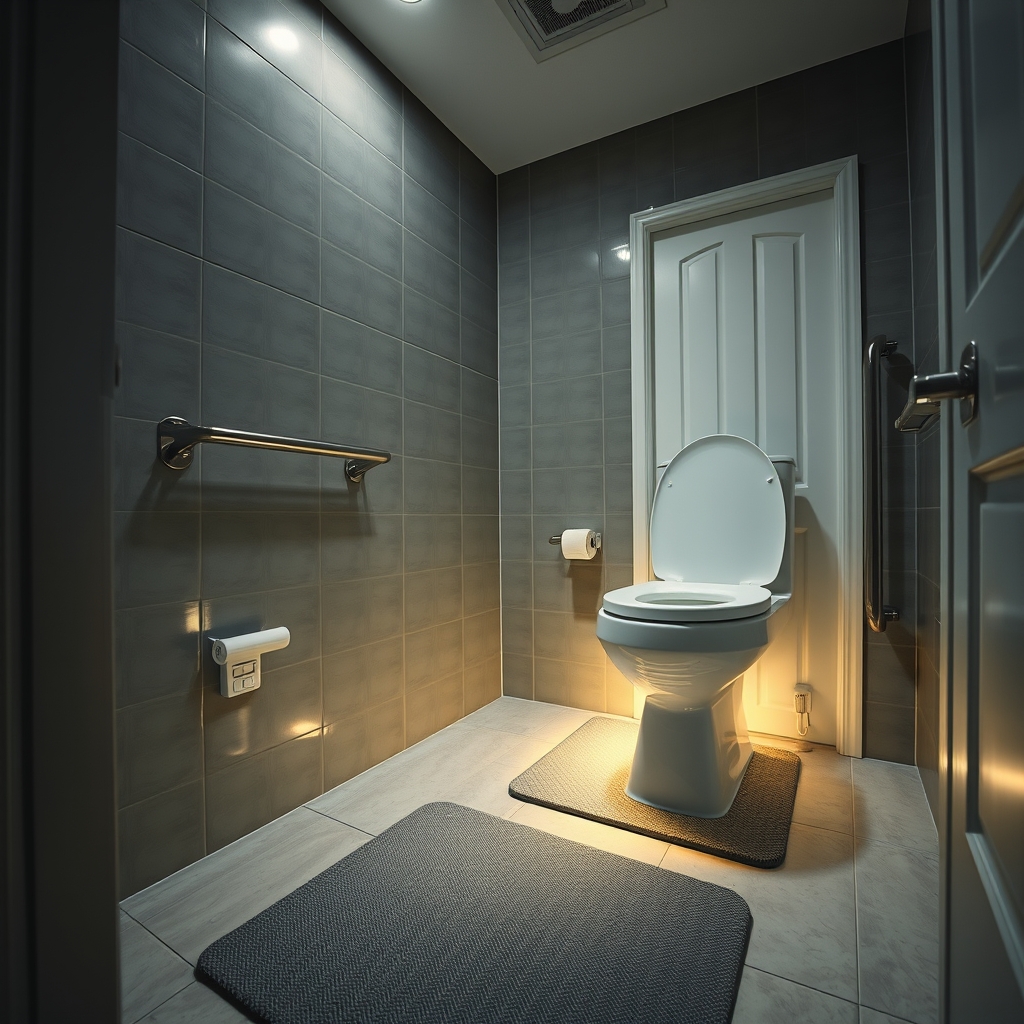
As we age, navigating to the bathroom at night becomes riskier—nearly every senior or family caregiver worries about falls or confusion in dark hallways. Traditional lights are a poor solution: switches are hard to find in the dark, ceiling fixtures are too bright, and table lamps clutter surfaces or require bending down. A modern motion sensor night light bathroom system solves these problems: plug-in LED units turn on instantly with movement, giving soft, targeted illumination where it’s needed—on the path, not in your eyes. In 2024, about 38% of seniors already use a bathroom nightlight sensor for nighttime safety, showing strong, real-world adoption.
What Makes a Good LED Night Light Plug In for Older Adults?
Not all night lights are created equal. The ideal LED night light plug in for seniors prioritizes clarity, comfort, and convenience. Look for:
- Right Brightness: Between 20 and 50 lumens is standard, with 10–40 lumens best for hallways and about 40 for bathrooms to prevent shadows and tripping.
- Reliable Detection: A sensor range of 3–5 meters (10–16 ft) catches movement without frequent misses or too many false triggers from pets.
- Quick Response: A 2–5 second auto-on delay prevents waiting in the dark but avoids false alarms from quick flashes.
- Plug-In Simplicity: No batteries or confusing installations; just plug and play. Power use is low—typically 0.5–3W active, 0.1–0.3W standby—so you save money versus always-on lights.
- Soft Glow: Warm, diffused light prevents glare or sleep disruption. Consider models with adjustable brightness (and, if possible, color temperature) for maximum comfort.
For aging eyes, a smart night light with flicker-free output and directional beams makes midnight trips less stressful. Most 2024 launches include decent sensors, but only a few nail brightness, comfort, and reliability at once.
Common Senior Pain Points—and What Competing Night Lights Miss
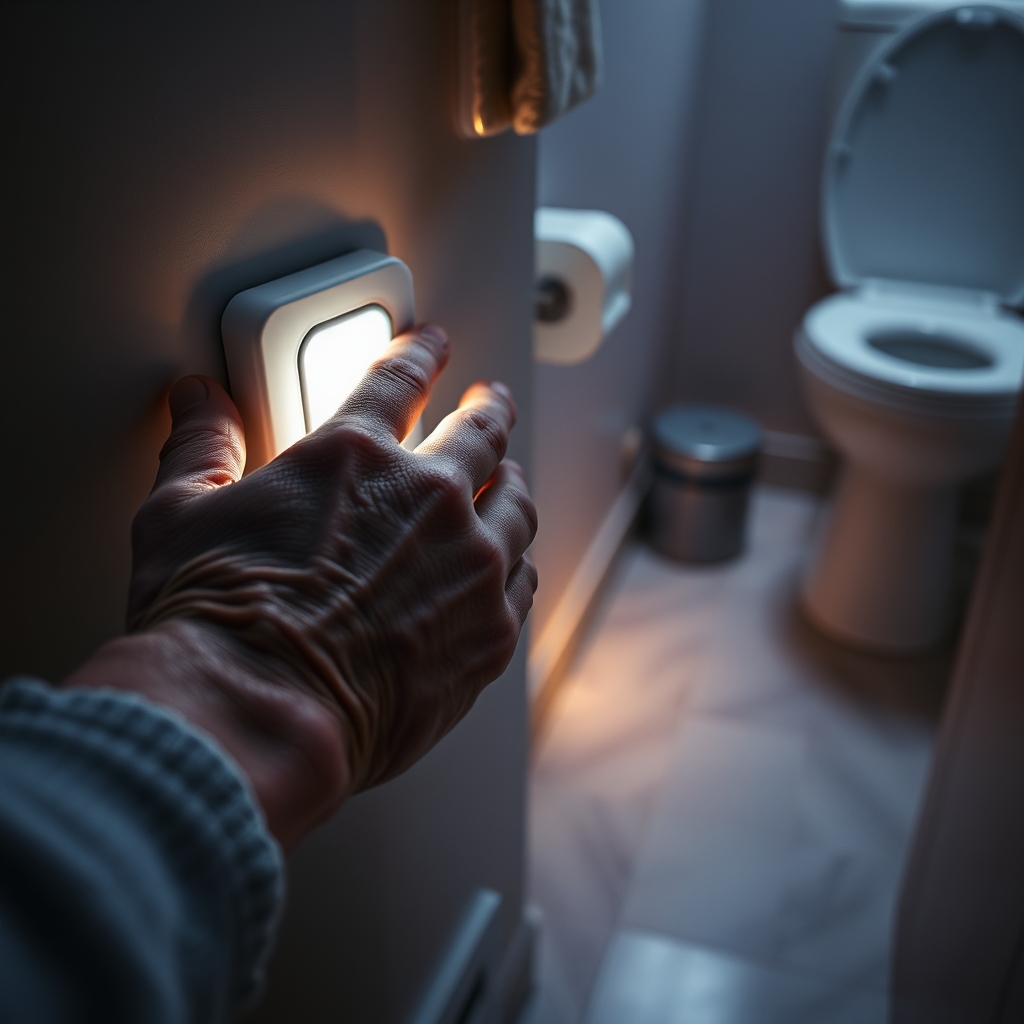
Even the smartest night light motion sensor units can fall short if key concerns aren’t addressed. Based on recent market reports and consumer feedback, here are the most common pitfalls:
- Missed Activation or Delayed Lighting: Poorly designed or installed sensors may not trigger at all, discouraging trust in the light and leaving seniors in the dark. Interference from pets or airflow (like HVAC vents) can create false triggers or missed detection, especially for staircase night light applications.
- Excessive Glare and Uncomfortable Light: Models without adjustable brightness or shielding may be too bright for dark-adapted eyes, causing disruption or even confusion when waking at night. This is a frequent complaint with automatic night light designs that only use one output level.
- Short Battery Life or Early Bulb Failure: Standalone units (especially battery-based) require frequent replacement, which can be burdensome for seniors with limited dexterity or mobility. Poor-quality LEDs may also flicker or die prematurely in humid bathrooms.
- Installation/Placement Hurdles: Tight, damp locations found in bathrooms often defeat designs that aren’t waterproof or can’t pivot their beams to avoid splashes, and many users note frustration fitting models into limited space or round-faced sockets.
According to a 2024 launch analysis (source), 44% of new night lights integrate motion sensors, but only a small fraction offer customizable sensitivity, robust waterproof housings, or compensation for pet motion. For reference, you can compare feature sets and pain points in the table below:
| Feature | Standard Models | Senior-Focused Models |
|---|---|---|
| Adjustable Brightness/Sensitivity | Rare or absent | Available in top picks |
| Water/Moisture Resistance | Often lacking | Prioritized for bathrooms |
| Easy Plug Orientation | May block adjacent outlet | Designed for multi-direction fit |
| Smart-home Integration | Rare | Emerging in 2024 |
| Long-lasting Power | Short life, frequent replacing | 3–5 years or rechargeable |
What Features to Demand: Senior-Focused Motion Sensor Night Lights
To prevent disappointment, insist on these key features when shopping for an outlet night light or bathroom nightlight sensor:
- Adjustable Brightness and Sensitivity: Lets you fine-tune comfort and avoid sleep disruption or failure to trigger. Models with sliders or multiple settings are best.
- Dusk-to-Dawn Mode: Ensures the light only operates when it’s truly dark, so you avoid waste and glare during daytime.
- Water/Moisture Resistance: Crucial for plug-in units in humid bathrooms—look for IP44 ratings or marketing that clearly mentions suitability for damp locations.
- Multi-directional Lighting: Pivoting or up–down beams are better for stairs and odd bathroom layouts, aiding safer pathfinding.
- Long-life LEDs or Rechargeable Power: Reduces the maintenance headache, especially for caregivers. Integrated rechargeable batteries with USB charging are a great bonus in remote areas.
- Smart-Home Compatibility: Voice-assistant or app support is optional for many seniors, but can aid those with arthritis (e.g., voice-on-demand test mode or brightness adjustment).
According to independent energy studies, models with these features experience fewer complaints and eliminate the top three pain points cited by seniors in bathrooms and hallways. For bathrooms, prioritize robust waterproofing and flexible beam direction; for stairs, choose wide-angle or multi-zone sensor coverage.
The Cost and Long-Term Value of Upgrading
Worried about price or running costs? Here’s what you need to know:
- Upfront Cost: The average retail price for a quality plug-in motion sensor night light is $5–$20. Most seniors can upgrade the core areas for less than $50 in total.
- Operating Savings: Plug-in, motion-activated night lights cut energy use by 70–90% compared to always-on legacy units, offering payback in months—these use just 0.5–3W when on and minimal power in standby.
- Lifespan & Reliability: Top picks last 3+ years with no bulb changes, and robust waterproof or sealed units outlast cheaper alternatives. No more hazardous battery swaps at 2 a.m.
In short, a well-chosen automatic night light or smart LED model pays for itself through energy savings, safety, and peace of mind over years—not just one season.
Closing Advice: Making the Best Choice for Senior Safety and Comfort
Finding the right smart night light or hallway night light is about genuinely solving senior needs—not just following trends. Use the checklist below to ensure your pick is up for the job:
- Does it offer adjustable brightness and sensor sensitivity?
- Is the design moisture-resistant and suitable for bathrooms?
- Is it easy to install, with no need for batteries or special tools?
- Will the plug orientation fit your outlets and not block other devices?
- How long do the LEDs or batteries last (aim for 3 years or more)?
- Does it provide wide or multi-directional coverage for stairs or long hallways?
- Is there a warranty or customer support in case of defects?
The plug-in, sensor-enabled category is the fastest-growing part of the $1.82 billion global night light market—especially for seniors and multi-generational homes. Take the step: safer, hands-free nights are a quick upgrade away.
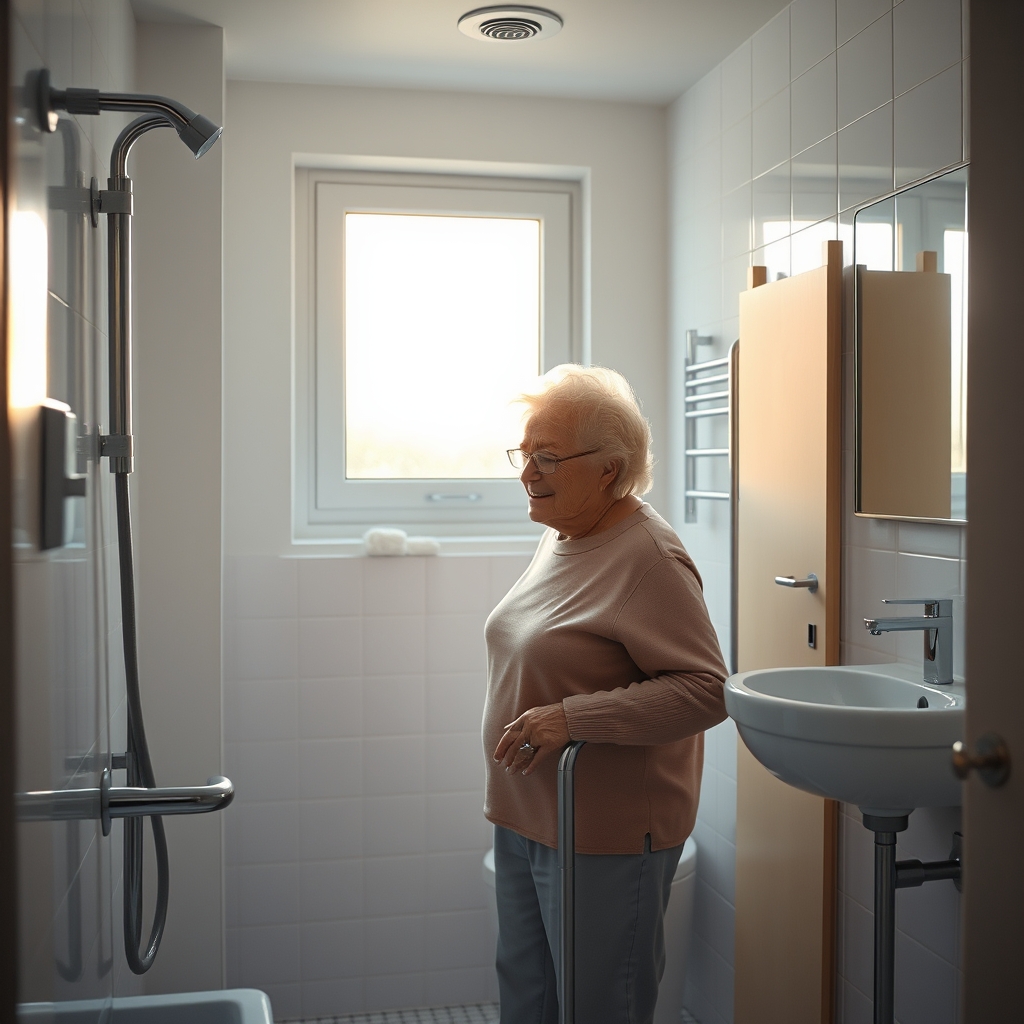
If you’re updating your bathroom for senior safety, consider pairing your motion sensor night light bathroom solution with other essentials like a toilet safety rail or reliable bathtub mat.
FAQ: Motion Sensor Night Light Bathroom
What is the ideal brightness for a bathroom motion sensor night light?
Experts recommend 40 lumens for the bathroom—bright enough to spot hazards, but not so intense that it causes glare or sleep disruption.
Where should I place my motion sensor night light for the best effect?
Install the night light at knee or shin height near the bathroom entrance or main walkway. This improves sensor response and ensures shadows and tripping hazards are illuminated at floor level.
Do I need a waterproof night light in the bathroom?
Yes, especially if the outlet is near the sink, tub, or shower. Look for models rated IP44 or higher to avoid premature failure from humidity or splashes.
How much will I save on energy with a motion sensor night light?
Motion-activated LED night lights reduce electricity use by about 70–90% versus always-on models, with most consuming just 0.5–3W when active.
Are motion sensor night lights safe for seniors with pets?
Choose a model with customizable sensitivity to prevent false triggers. Sensors can usually distinguish between people and small animals; trial placement helps optimize performance.