

Blog Post:
Walk in bathtub solutions are transforming safe bathing for seniors, but if you’re shopping in 2024, getting the right fit isn’t as simple—or affordable—as it seems. The market is booming, but hidden pitfalls and fast-changing features can trip up even savvy buyers. This guide cuts through the confusion so you avoid costly mistakes and choose a walk in tub that truly supports long-term independence.
Key Takeaways
- The walk in bathtub market is growing 5–6% annually with sales set to surpass $2 billion by 2027, driven by demand from seniors and caregivers.
- Total installed costs in 2024 typically land between $8,000 and $12,000—sometimes much more depending on features and bathroom layout.
- Common pain points include leaking doors, limited wheelchair access, few ultra-low thresholds, and installation complexity that often requires major bathroom modifications.
- 2024 Walk-In Bathtub Market at a Glance
- How Much Does a Walk-In Tub Cost in 2024?
- Essential Features & Accessibility Options
- Real-World Pain Points & Common Complaints
- Comparing the Most Trusted Walk-In Tub Brands
- Where the Market Falls Short: Gaps & Opportunities
- Decision Checklist: How to Choose the Best Walk-In Tub
- FAQ
2024 Walk-In Bathtub Market at a Glance
Interest in walk in bathtub solutions for seniors has never been higher. The industry is expanding at a robust 5–6% annual growth rate and is projected to exceed $2 billion in global sales by 2027 [1]. This surge is fueled by an aging population, more seniors choosing to age in place, and the increasing focus on home safety. Market leaders include Kohler, Jacuzzi, Safe Step, Ella’s Bubbles, and American Standard, thanks to their accessibility innovations and national dealer networks. Most units are sized around 12 square feet (about 5 by 3 feet), making them feasible replacements for many older bathtubs, and are purpose-built to address the unique needs of the elderly and anyone with mobility challenges.
How Much Does a Walk-In Tub Cost in 2024?
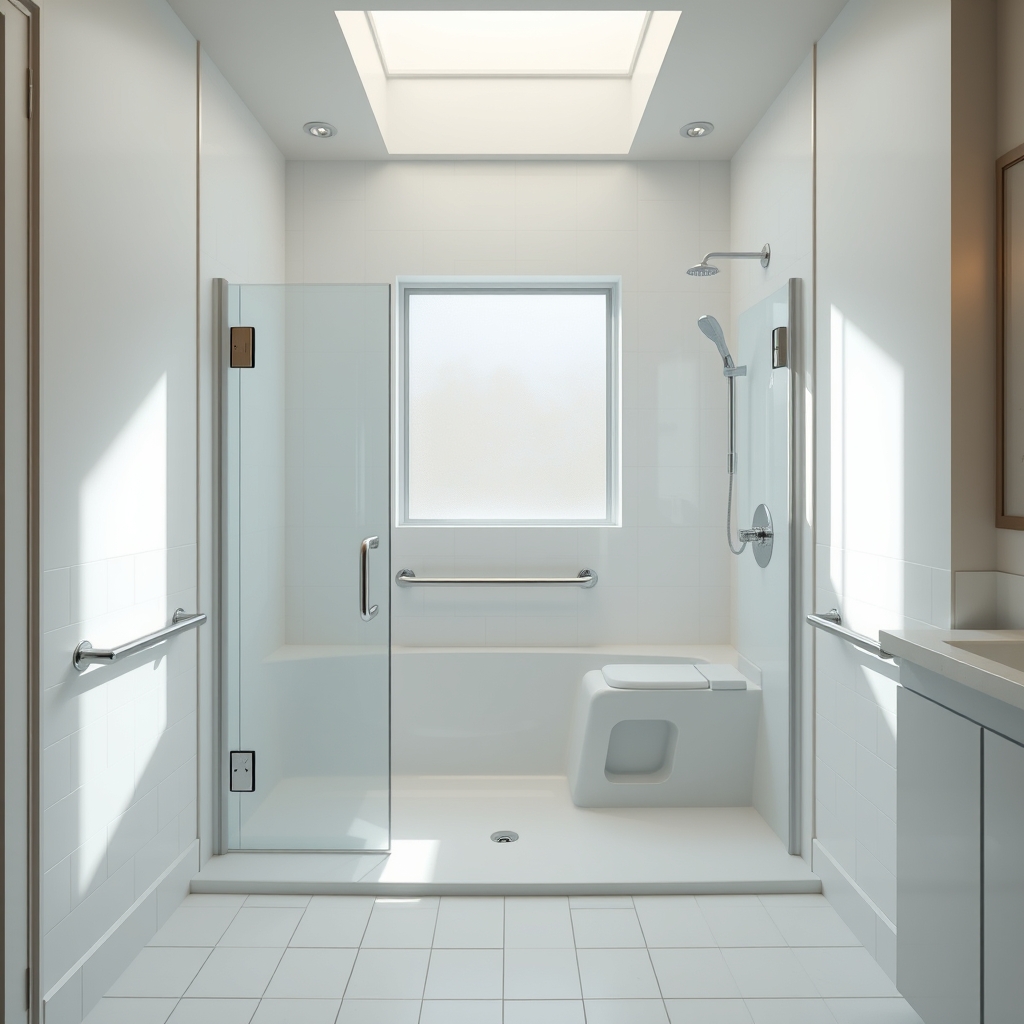
The total cost of owning a walk in bathtub is often much higher than advertised “tub-only” prices. For most buyers, expect installed costs in the $8,000–$12,000 range—including the tub, professional installation, plumbing and electric upgrades, and any floor reinforcement [5]. Basic soaker tubs start around $3,000, but luxury models with hydrotherapy, heated backrests, and fast-drain features can exceed $17,000 [10].
Add-ons and upgrades that drive up the final cost often include:
- Hydrotherapy or whirlpool jets
- Chromotherapy lighting or Bluetooth speakers
- Quick-drain or fast-fill technology
- Two-door or extra-wide entry models for wheelchair access
- Custom finishes or anti-microbial coatings
Installation can also reveal hidden expenses, especially if your home requires electrical updates, structural modifications, or new plumbing lines. Always get a detailed quote for both the product and the labor—and ask about the full project cost in writing. For a more budget-friendly way to keep the bathroom safe, see this guide to toilet rail solutions.
Essential Features & Accessibility Options
Choosing the right walk in bathtub means focusing on what truly delivers safety, accessibility, and daily comfort. Top features to compare:
- Door type and width: Look for inward-swinging or outward-swinging doors between 22 and 24 inches wide for easy entry, especially for walkers or wheelchairs.
- Threshold height: Low-rise thresholds start at just 2 inches on models like Safe Step, but most are 3–6 inches—crucial for those with limited leg mobility.
- Hydrotherapy options: Many hydrotherapy walk in tub designs offer 26–44 jets for arthritis relief and circulation. Air bubble and whirlpool combinations, as well as heated backrests and chromotherapy, are found in premium models.
- Seat size and shape: Generous molded seating, adjustable headrests, and slip-resistant seat surfaces increase comfort and safety.
- Space requirements: The average model needs 12 square feet (fit: 5 feet by 3 feet). Always measure your bathroom before ordering.
- Controls and accessories: Easy-to-use digital panels, anti-scald technology, built-in grab bars, and slip-resistant floors are now standard in many brands.
Emerging trends include smartphone integration, fast-drain valves, and antimicrobial surfaces. Some models even provide aromatherapy and lighting options to support relaxation and therapeutic use.
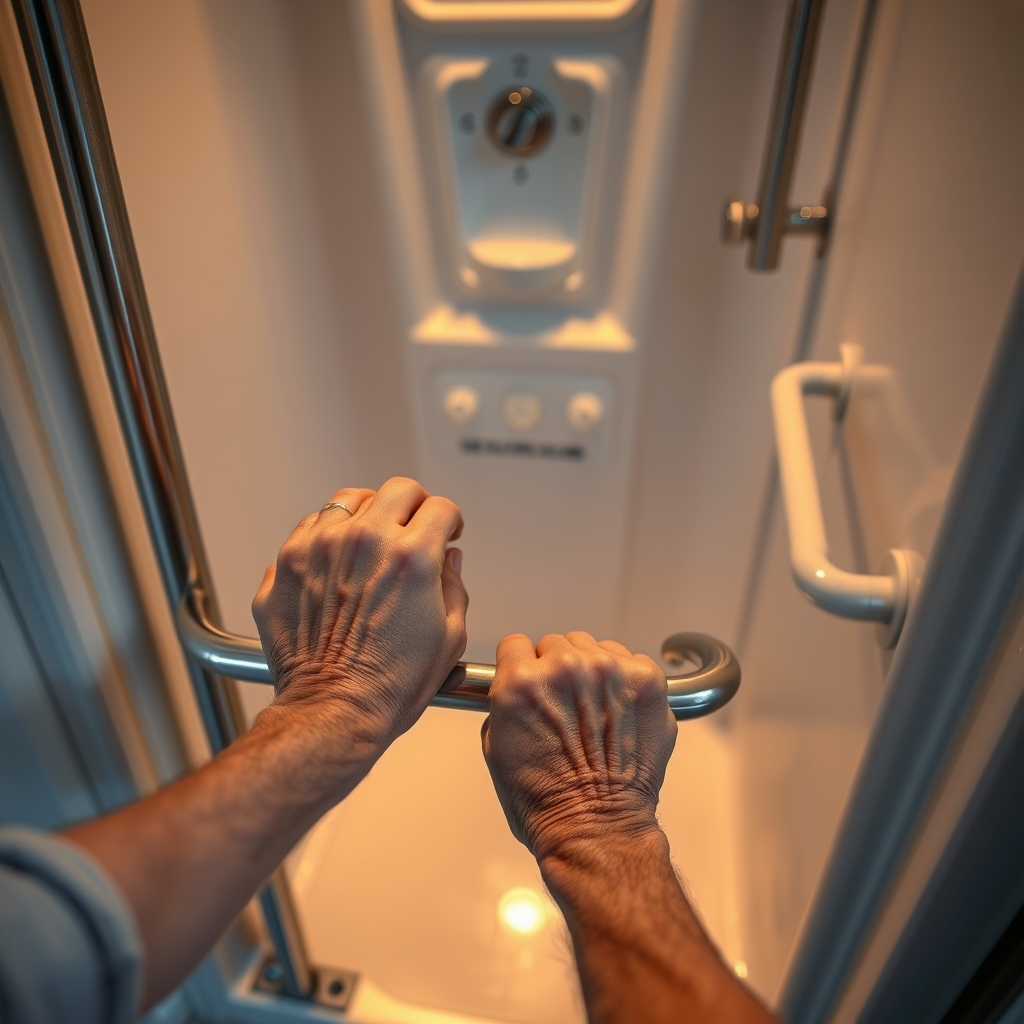
Explore more accessibility upgrades like anti-slip bathtub mats for seniors and bathroom safety grab bars that further reduce fall risks and support ultimate bathing independence.
Real-World Pain Points & Common Complaints
Despite their benefits, walk in tub elderly shoppers often report several recurring frustrations:
- Door-seal leaks: Reviews often mention leaks from poorly sealed doors—requiring service calls and, sometimes, replacement gaskets [9].
- Pumps and jets failing: Even reputable brands can have issues with hydrotherapy systems after a few years, leading to expensive repairs once warranties expire.
- Thresholds still too high: For seniors with advanced mobility limits, even 3-inch thresholds can pose a real challenge.
- Long fill/drain times: Some models take 8–15 minutes or longer to fill and drain, which can be uncomfortable or cold for users waiting inside.
- Structural modifications: Installing a walk in tub can require major changes—removing walls, rerouting plumbing, reinforcing joists—which inflates costs and extends timelines.
- Lack of transparency: Many brands use aggressive sales tactics and refuse to list prices online, which frustrates buyers and makes it tough to compare value.
For preventing slips and added comfort, consider bath cushions for seniors and adjustable shower chairs, which work well alone or with a walk in tub for elderly adults or post-surgery recovery.
| Issue | Description | How to Avoid |
|---|---|---|
| Door leaks | Water seeps through door gasket, requiring service | Choose a model with a proven leak-proof warranty |
| Pump/jets failure | Hydrotherapy jets or air pump stop working | Confirm service/support coverage after installation |
| High entry threshold | 3″–6″ rises too tall for some seniors | Seek brands with ultra-low (≤2″) thresholds |
| Slow fill/drain times | User is seated and exposed waiting for water | Ask for fast-drain, larger supply lines, or pre-fill features |
| High installation complexity | Structural changes, new electrical or plumbing lines | Get an in-home estimate and confirm all modification needs in advance |
Comparing the Most Trusted Walk-In Tub Brands
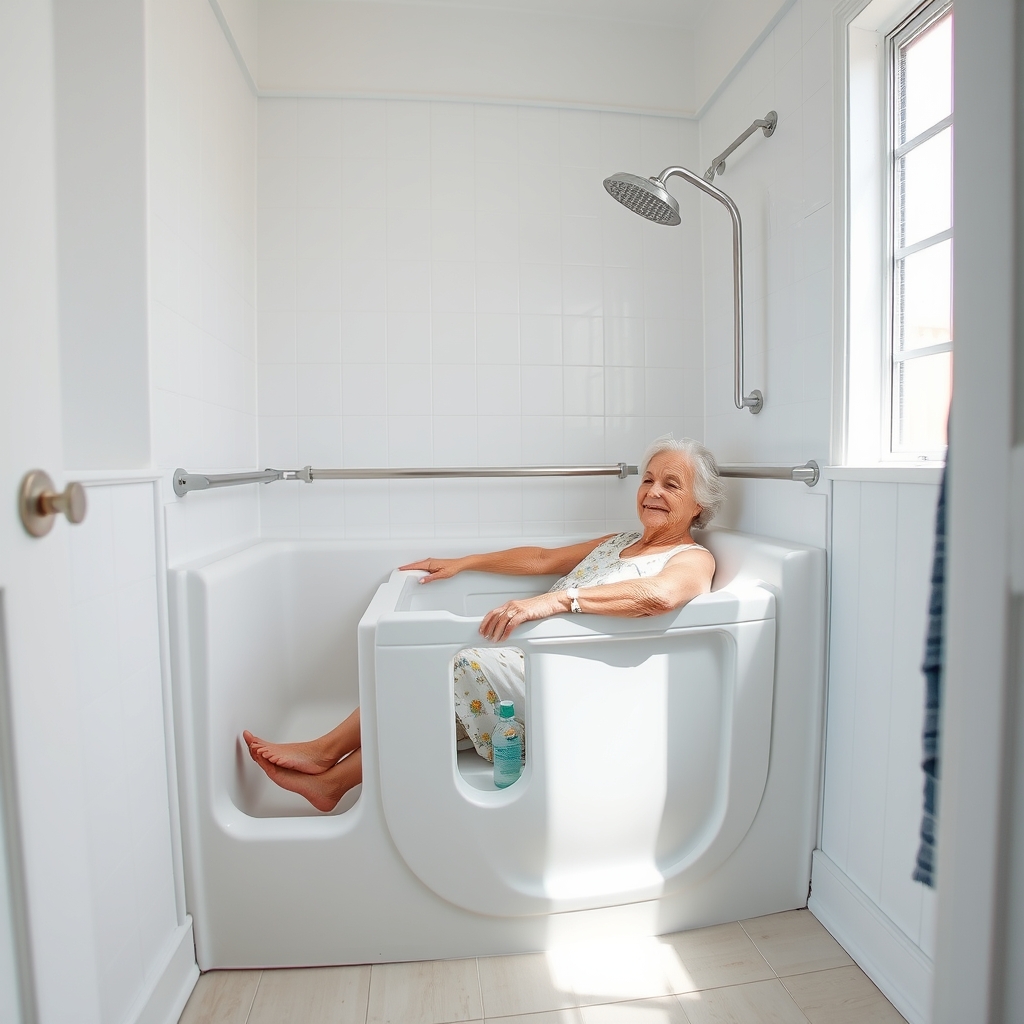
With so many choices, how do brands really stack up? Here’s a brief look at how the most trusted names compare for pricing, features, accessibility, and user support:
| Brand | Unique Features | Accessibility | Warranty | Price Transparency |
|---|---|---|---|---|
| Kohler | Fast-drain, heated backrest, hydrotherapy, smart-home options | Outward-swing door, ADA-compliant models, no dual-door | Limited lifetime | Quote only |
| Safe Step | Ultra-low (2″) threshold, aromatherapy/air jets, light therapy | Limited wheelchair access, extra-wide seat | Lifetime | Quote only |
| Ella’s Bubbles | Two-seat, foot-only fill, up to 44 jets, custom massage | Dual-door & slide-in models, wheelchair-ready, step-through conversion | Limited lifetime | Pricing online |
| American Standard | Quick drain, comfortable seat, easy controls | ADA compliant, limited outward-swing options | Lifetime | Some pricing online |
| Jacuzzi | Proprietary jets, anti-microbial surfaces | Inward/outward-swing options, no dual-door | Limited lifetime | Quote only |
It’s rare to find a two door walk in tub for true side entry; most manufacturers stick with inward or outward-swing doors. If you’re looking for a bathroom fall alert solution or want to convert your existing tub, ask about walk in tub conversion kits compatible with your bathroom layout. Warranties range from limited lifetime to lifetime, but always confirm what is (and isn’t) covered—especially for leaks, pumps, and electronics.
Where the Market Falls Short: Gaps & Opportunities
Despite fast innovation, several product gaps frustrate seniors, caregivers, and anyone with mobility challenges:
- Still-few ultra-low (≤2-inch) thresholds: The lowest entries are easier to step over, but most mass-market models remain above 3 inches.
- Limited customizable hydrotherapy: Jet placement is rarely adjustable, making it tough for users with unique pain points.
- Poor color/finish selection: Most lines only offer white or basic ivory—little choice for modern homes.
- Smart-home integration is missing: Very few models can be monitored or controlled by apps or voice assistants.
- Few fast-drain options: Many tubs still take 10+ minutes to empty, leaving users cold and uncomfortable.
- Minimal conversion kits: Options for easy access bathtub retrofits or walk in tub conversion are limited, often forcing full remodels.
Buyers who want better value and usability should seek brands offering:
- Ultra-low entry thresholds (≤2 inches)
- Robust, leak-proof door seals
- Fast-drain and fast-fill upgrades
- Comprehensive, straightforward warranty coverage
- Selectable jet locations or adjustable massage
- Multiple colors and finishes
- Transparent, up-front pricing
Smart picks like an adjustable shower chair for the elderly or advanced slip-resistant bath mats may help bridge these gaps when upgrading your bathroom’s safety and comfort alongside a new hydrotherapy walk in tub.
Decision Checklist: How to Choose the Best Walk-In Tub
Here are the core steps to get the right walk in tub elderly shoppers and caregivers need for long-term safety and comfort:
- Assess mobility and health needs: Do you need ultra-low entry, wheelchair transfer, or deep water soaking for therapy?
- Measure your bathroom: Allow for 12 square feet (5×3 feet) and check doorways/hallways for fit during delivery.
- Decide on essential features: List must-haves (hydrotherapy, outward-opening doors, anti-scald valves, safety rails, etc.).
- Evaluate installation readiness: Can your floor support 45–55 gallons of water plus tub weight? Is your plumbing and electrical up to code?
- Get in-home estimates: Require a detailed, written quote for both product and installation before signing.
- Review warranties: Understand what’s truly covered—especially on door seals, electronics, and pumps.
- Avoid high-pressure sales: If the company won’t provide clear documentation or is pushy about same-day signings, look elsewhere.
Specialty whirlpool walk in tub models can include up to 44 hydrotherapy jets, chromotherapy, heated seats, and innovative drainage—be clear which are medically necessary versus optional add-ons. For more guidance on safe bathing, view our toilet safety rail guide and bathroom grab bar recommendations.
FAQ
How long does it take to fill and drain a walk in bathtub?
Standard walk in tubs take 8–15 minutes to fill and drain, although fast-fill and fast-drain models can cut this time in half. Upgrading plumbing lines improves performance.
Are walk in bathtubs covered by Medicare?
Medicare does not cover walk in bathtubs, even for medical need. Some private insurance/Medicaid waivers may offset part of the cost for home modifications—ask your provider.
What is the water capacity of a typical walk in tub?
Most models hold 45–55 gallons. Make sure your water heater is large enough to supply a comfortable bath without running cold.
Can you retrofit an existing bathtub into a walk in model?
Only a few brands offer true walk in tub conversion kits. Most projects require a full replacement and some structural changes to meet accessibility needs.
What’s the difference between hydrotherapy and whirlpool walk in tubs?
Hydrotherapy tubs use powerful water and air jets to massage and stimulate circulation, while whirlpool models focus on strong, swirling water flows. Some high-end tubs combine both features.
Conclusion
Buying a walk in bathtub in 2024 means balancing advanced safety with practical installation and real-world usability. With rising costs and fast-evolving options, knowing the market—and your needs—helps avoid expensive regrets. If you take the time to research features, ask clear questions, and work with reputable installers, the right walk in bathtub can transform independent living for seniors and caregivers. Ready to upgrade your safe bathing solution? Compare models, ask tough questions, and contact a trusted specialist today.