

Blog Post:
Doorless shower conversion is one of the most practical ways homeowners and caregivers can transform a bathroom for accessibility, safety, and comfort—yet there are major differences in cost, process, and code compliance between DIY and contractor-ready solutions that most guides ignore. This guide cuts through the confusion to help you plan the right doorless or roll-in shower project for your needs, with full transparency on budgets, timelines, and regulations.
Key Takeaways
- Typical doorless shower conversion costs in 2024–2026 range from $6,000–$12,000 (standard) to $12,000–$17,000 (curbless/roll-in), with DIY kits starting around $1,500 plus labor and regional code costs.
- Pitfalls include permit confusion, waterproofing errors, and hidden labor expenses—ask upfront about inspection requirements, plan for code-compliant installation, and always check for local plumbing and building code fees.
- Contractor installs often finish in 2–5 days versus a week or more for DIY; using high-quality shower conversion kits or a barrier free shower pan is vital for long-term water protection and accessibility.
- What is a Doorless Shower Conversion—and Who Needs One?
- Doorless Shower Conversion Cost Breakdown (2024–2026)
- DIY vs. Contractor: Installation Time, Process & Expected Challenges
- Navigating Permits, Code Compliance, and Inspections
- Key Pain Points—and How to Avoid Costly Mistakes
- Regional Price Calculator and Compliance Checklist (Download/Tool Option)
- Best Roll-In & Barrier-Free Shower Kits (Staff Picks)
- Frequently Asked Questions (FAQs) About Doorless Shower Conversion
What is a Doorless Shower Conversion—and Who Needs One?
A doorless shower conversion (also called a curbless or roll in shower conversion) means removing your tub or standard shower and installing a barrier free, door-free entry. This creates a walk-in or roll-in area with zero or minimal threshold, allowing safe entry for wheelchair or walker users and preventing tripping hazards for anyone aging in place. Unlike a basic walk-in, a true barrier-free ADA shower conversion involves careful floor slope, drainage, and waterproofing to prevent leaks and pooling.
This trend is only growing: open, glass-forward, and curbless bathroom designs are accelerating into 2026, driven both by America’s aging population and the popularity of minimalist bathroom aesthetics (source).
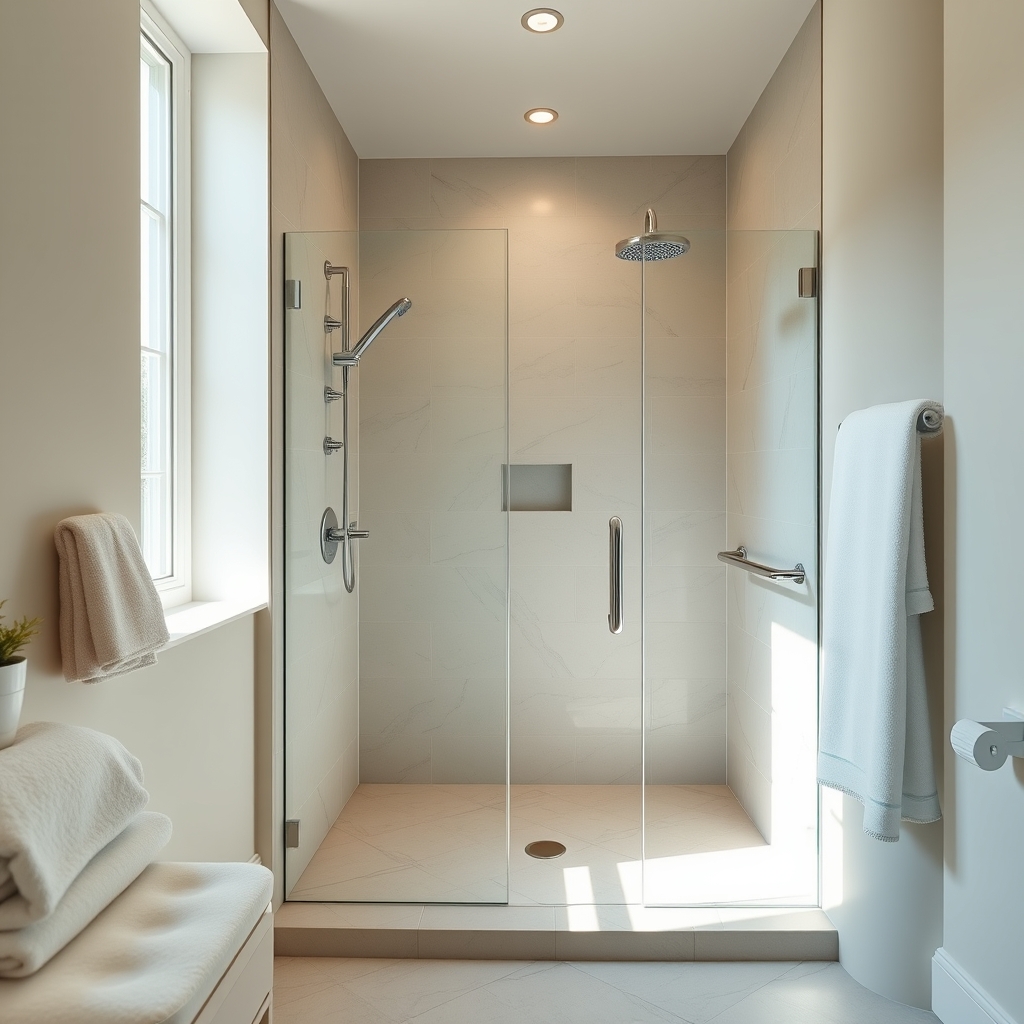
For homeowners or caregivers, the benefits include:
- Easier wheelchair, walker, or seated shower chair access
- Greater independence for elderly/injured people
- Removes glass doors or curtains—reducing cleaning and maintenance risks
- Often boosts home resale value by upgrading for universal design
For related adaptive bathroom upgrades, see Shower Chair: 7 Ultimate Steps for an Amazing Solution in 2026 or Grab Bar: 7 Ultimate Steps For Amazing Bathroom Safety In 2026.
Doorless Shower Conversion Cost Breakdown (2024–2026)
Knowing the real-world costs is crucial before you start your project. The price for a doorless shower conversion varies based on your region, materials chosen, the need for a curbless/ADA design, and whether you use a contractor or go DIY with a shower conversion kit.
| Type | National Cost (2024–2026) | California | Midwest | Labor Time |
|---|---|---|---|---|
| Standard Contractor Walk-In | $6,000–$12,000 | +15–25% | −5–10% | 2–5 days |
| Curbless/Roll-In (Contractor) | $12,000–$17,000 | +15–25% | −5–10% | 3–7 days |
| DIY Conversion with Kit | $1,500–$3,000 (kit)+ $1,000–$1,500 (labor/DIY) | +15–25% | −5–10% | 7+ days |
| Deluxe Custom (Premium) | $16,000–$22,000+ | +20% or more | –5–10% | Varies |
Key factors that increase pricing include relocating plumbing, using high-end tile, opting for a fully recessed barrier free shower pan or roll in shower pan, and dealing with structural changes. DIYers should always budget for at least one permit fee (typically $50–$200), specialty tools, and unexpected rework.
Contractor estimates and regional cost data are available from sources such as USA Cabinet Store, HomeLight, and Truvine Renovations.
DIY vs. Contractor: Installation Time, Process & Expected Challenges
Choosing between a contractor or a DIY shower conversion kit depends on your skill, timeline, and risk tolerance. Here’s what each involves:
- Professional Contractor Route:
- Demolition and removal of tub/shower, prep work—done in 1 day.
- Plumbing adjustments, drain relocation, and blocking installation for grab bars.
- Floor recessing if curbless; installation of waterproofing membrane and shower pan accessible per code; slope floor correctly.
- Tile or solid surface install, specialty glass if desired, fixture installation, and code inspection.
- Average timeline: 2–5 days (may stretch if delivery delays or inspection takes longer).
- DIY Approach:
- Buy and research a shower conversion kit or roll in shower kit with clear instructions and warranty.
- Obtain required permits.
- Demo bathroom area, double check subfloor for rot or needed reinforcement.
- Install pan, rough-in plumbing, and waterproofing membrane. Follow ADA slope and membrane guidelines religiously.
- Add walls, tile or wall surround, fixtures, and secure grab bars.
- Arrange for code inspection before use.
- Plan for one week minimum; real-world projects often go 10–14 days due to tool rental/return cycles, waiting for inspections, or supply runs.
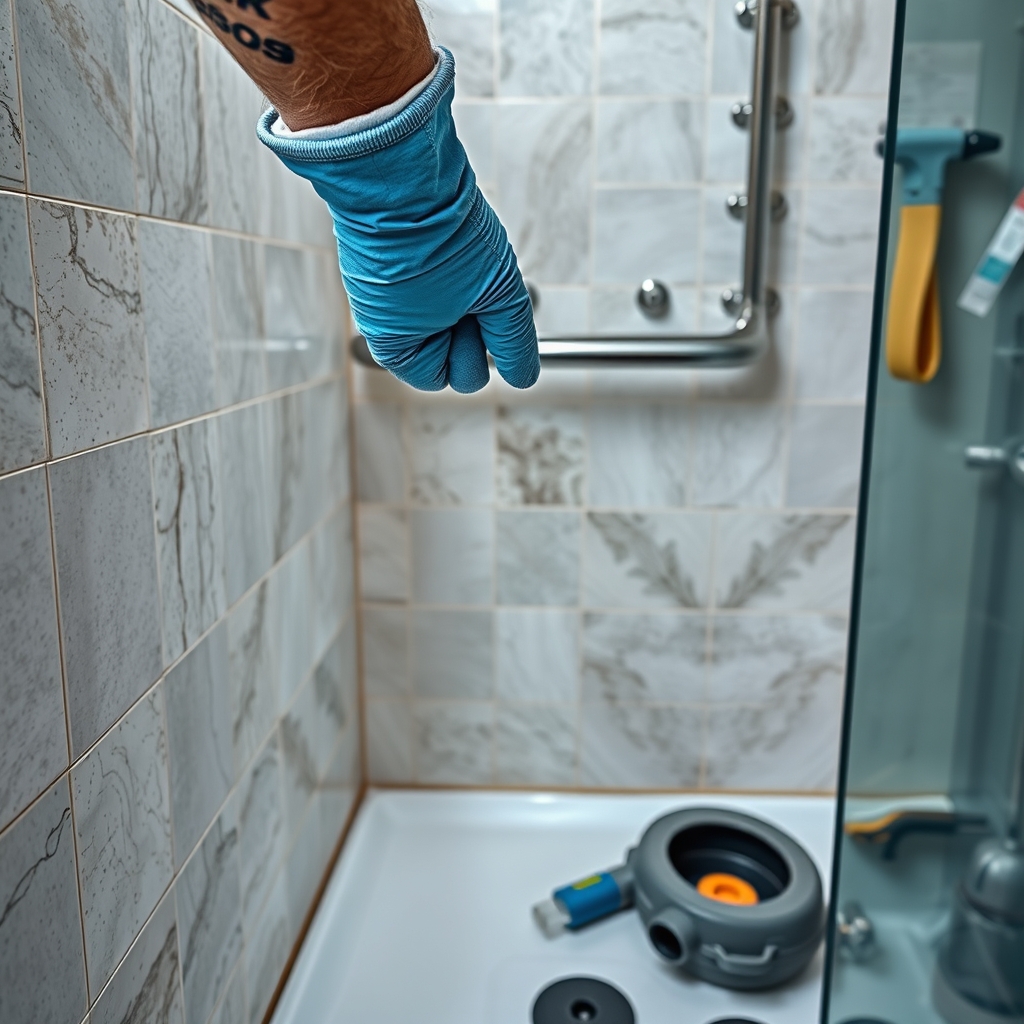
The most common DIY pitfalls include skipping waterproofing steps, underestimating subfloor repair, or neglecting to check if your new shower pan accessible design will get a sign-off from the code inspector. Timelines expand every time an error is caught at final inspection.
If you need adaptive seating during or after your project, see our Bath Cushion: 7 Ultimate Steps For Amazing Comfort In 2026 guide or best shower chairs for seniors.
Navigating Permits, Code Compliance, and Inspections
Permits and code compliance can make or break a successful doorless shower conversion. Most areas require at least one plumbing permit, and many require waterproofing inspection (even for DIY jobs).
- Plumbing permits: Most states mandate a permit when altering a tub to a shower. In Michigan, for example, plumbing permits are $50–$200 (source).
- Typical inspections: – Drain slopes (minimum 1/4” per foot), placement of waterproof surface, flood test for leaks.
- ADA/barrier-free: Must specify a shower entry threshold of ½” or less, have an ADA shower kit compliant pan or roll in shower kit, and blocking in place for grab bars installation.
- Regional code differences: – California adds Title 24 energy and water-saving standards (expect higher fees) while Southeast coastal areas often require hurricane/flood proofing of membrane or blocking, adding cost and time.
Failing to secure these permits can result in denied final inspections, project redos, and even legal/insurance risks. Always save copies of your permits and final sign-off.
For fall prevention and bathroom safety bundles that work with your new shower, see the Aging In Place Bathroom Kit: 7 Best Ways to Improve Safety and Toilet Rail: 7 Ultimate Steps For Amazing Stability In 2026.
Key Pain Points—and How to Avoid Costly Mistakes
You can plan the perfect project and still end up with costly overruns or hidden dangers if you don’t address the top user-reported pitfalls during a doorless shower conversion.
- Permit confusion: Users frequently misjudge which permits are required or how long inspections will take, especially with barrier free shower pan installs.
- Waterproofing errors: Not achieving the right slope or failing to install membranes correctly is the leading cause of future water damage and mold—reported as the #1 source of callback and warranty issues for contractors.
- Hidden costs: Costs often run 10–20% higher for labor, specialty drains, premium tile, or code-mandated hardware. Always check for city-specific delivery or waste removal charges.
- Delays: Inspections and permit scheduling can add several extra days, especially with under-resourced local offices, or if you fail an inspection and need to remediate work.
Download a detailed code and cost checklist before starting. And never skip pre-demo inspections—you will catch subfloor rot or hidden plumbing runs early, saving headaches.
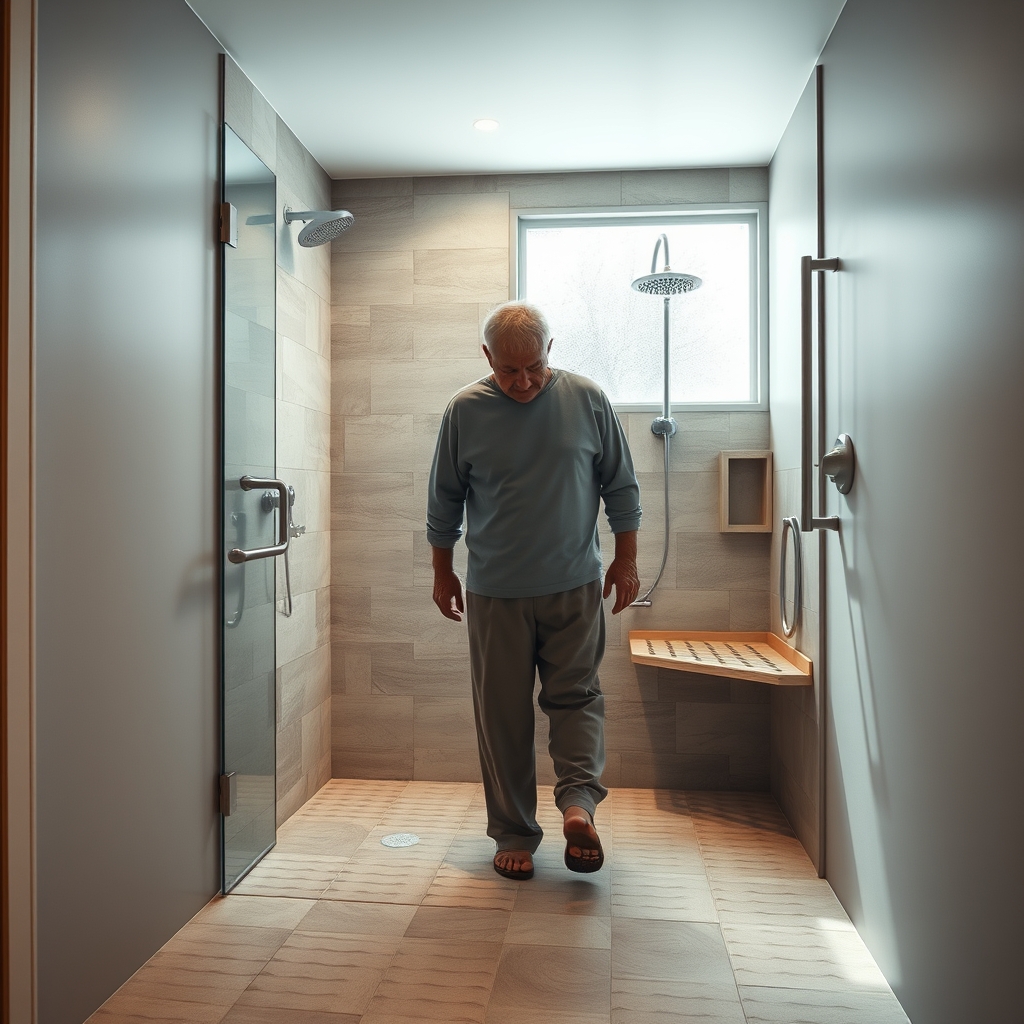
Regional Price Calculator and Compliance Checklist (Download/Tool Option)
Because shower conversion kit and labor costs vary as much as 30% across regions, use a regional cost estimator before deciding if DIY or contractor is right for you. Include:
- Materials (kit, shower pan accessible, fixtures, waterproofing, glass/walls)
- Labor: demolition, install, inspections, finish work
- Permits: plumbing, waterproofing, local code or Title 24 fees (California)
- Disposal of old tub or debris—check for city fees
- Delivery charges, especially outside metro areas
Download a regional worksheet checklist (coming soon)—or consult a local contractor for a written, line-by-line estimate. Remember: California averages 15–25% higher costs, while Southeast states must budget for hurricane/flood codes and Midwest rural areas may save 5–10% but add delivery fees. Always confirm if you need ADA or state code upgrades for insurance or resale.
For more budgeting strategies, read our Bathtub Mat: 7 Ultimate Secrets For Amazing Results guide.
Best Roll-In & Barrier-Free Shower Kits (Staff Picks)
Choosing the right roll in shower kit or ADA shower kit is key for safety and pros recommend starting with these:
- Ella’s Bubbles Roll-In Shower Kit: About $2,500–$3,200. Includes shower pan accessible for wheelchair entry, wall surrounds, and compatible with multiple drain layouts. 4/5 for ease of install. Tip: Still requires plumbing permit for installation.
- Swanstone Barrier-Free ADA Shower Kit: $1,700–$2,500. Fiberglass pan and walls, best for low-maintenance, ultra-low threshold entry. 3.5/5, less design flexibility but very safe for mobility devices.
- Bestbath Roll-In Contractor System: $7,000–$9,000. Industrial-grade pan and walls for hospitals or aging-in-place homes, ANSI/ADA certified, anti-microbial finish. More expensive but full compliance and longevity.
- Kohler LuxStone Deluxe Conversion: $18,000–$22,000+. Real marble composite walls, integrated glass, built-in seat, pro-only install. Top for luxury and resale but not practical for many DIYers.
Many affordable kits are available, but skimping on the barrier free shower pan or membrane sheets can backfire—always buy from reputable brands and cross-check with your municipal code for approval. For those seeking full home accessibility, our fall detection bathroom safety guide covers additional tech and safety upgrades.
Frequently Asked Questions (FAQs) About Doorless Shower Conversion
How much does a doorless shower conversion really cost in 2024–2026?
Nationwide, expect $6,000–$12,000 for basic contractor installs; $12,000–$17,000 for curbless/ADA roll-in options. Prefab DIY kits start at $1,500–$3,000 plus your own labor and permit fees. California and the Northeast often cost 15–25% more.
Should I use a contractor or DIY with a shower conversion kit?
Experienced DIYers can save money, but plan for a longer timeline, a bigger learning curve, and more risk during inspections. Contractors finish in 2–5 days with fewer surprises—but at higher upfront cost.
Are there hidden costs or fees with shower conversions?
Yes. Common extras include permit and inspection fees, extra demolition or subfloor work, specialty drains, delivery charges, and disposal fees. Always ask for a line-by-line estimate and check if your home’s structure needs modification.
What permits or inspections are required?
At minimum, a plumbing permit is nearly always required for changing a tub to shower. Some regions require special waterproofing or ADA compliance inspections, especially for curbless/roll-in projects. Failing to pass can add cost and delay.
Is a doorless shower conversion safe for people with mobility issues?
Yes, when designed correctly using a low or no-threshold shower pan accessible for wheelchairs or walkers, solid waterproofing, and secure grab bars. Always use ADA-rated kits and follow local code for entry width and slope.
Conclusion
A successful doorless shower conversion requires careful planning, budgeting for all hidden costs, and a clear understanding of local codes and permits. Whether you choose a DIY shower conversion kit, contractor installation, or a luxury custom roll in shower kit, investing time on research will protect your budget and deliver the safest result for years of accessible living. For a safe, long-lasting upgrade, compare kits and checklists before you buy, and never skip the local permit process. Ready to get started with your doorless shower conversion? Download our regional checklist or get a free estimate today.
—