

### Blog Post:
tub transfer bench selection is a make-or-break decision for seniors aging in place, caregivers, and rehab pros seeking real bathtub safety—especially as 2024-2025 brings new designs, evolving standards, and surging market options.
Key Takeaways
- Not all transfer benches or bath boards are truly safe for every user; ADA fit, weight limits, and adjustable feet are essential but often missing.
- Market growth means more choice but also more confusion—understand innovation gaps, avoid false security from “best of” lists, and always verify specs in person.
- Buyers must look beyond tool-free assembly and reviews: prioritize slip resistance, universal fit, and long-term reliability.
- Why Tub Transfer Benches and Bath Boards Matter for Senior Safety
- 2024-2025 Tub Transfer Bench & Bath Board: Market Snapshot and Price Guide
- Comparing Leading Brands: Innovation and Gaps
- Real-World User Concerns: Assembly, Weight Limits, and Safety
- What Makes a Tub Transfer Solution Truly Safe and Universal?
- Buying Checklist & Pro Tips for 2024-2025
- FAQs
Why Tub Transfer Benches and Bath Boards Matter for Senior Safety
Getting in and out of the bathtub is a real risk for seniors and those with limited mobility. Every year, thousands of preventable falls happen in the bathroom, often when stepping over the tub wall. As muscle strength, balance, and reaction speed fade with age or illness, these falls lead to injury, hospitalization, and loss of independence.
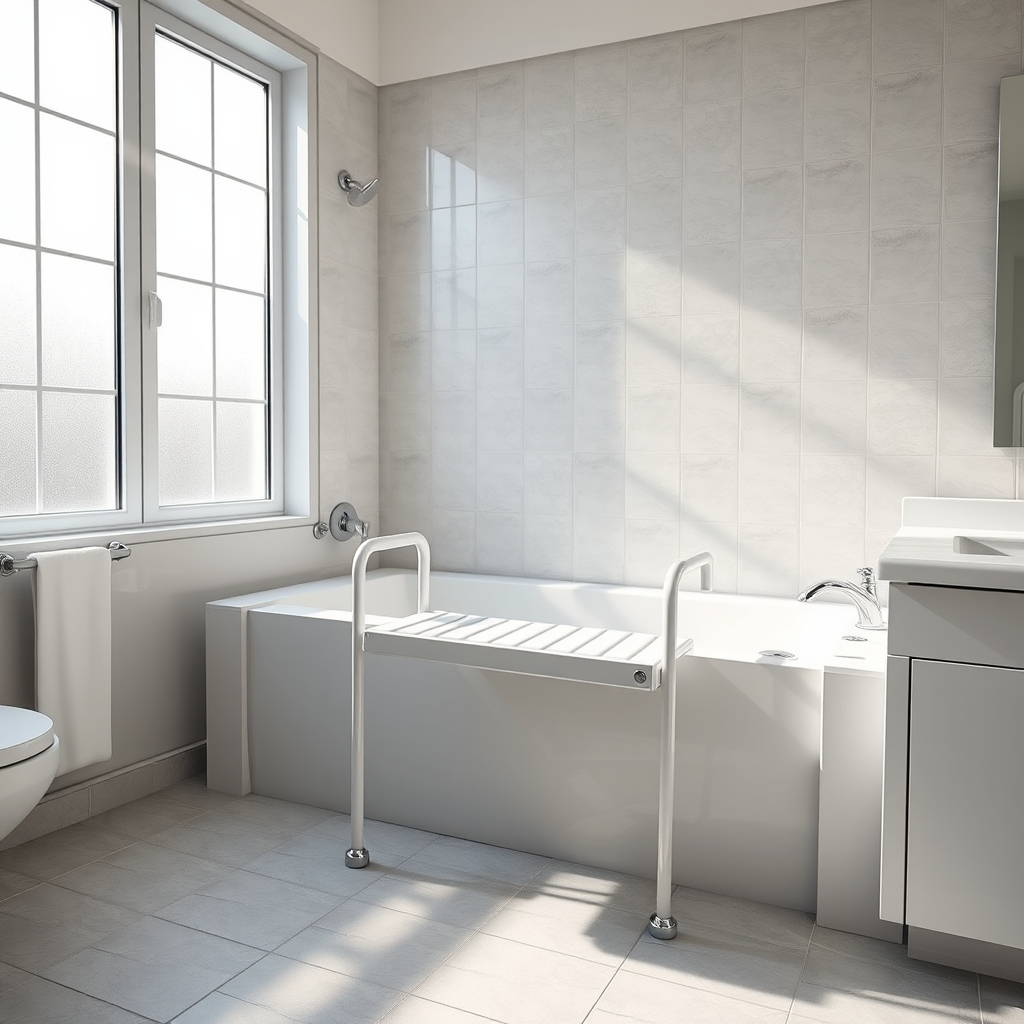
A tub transfer bench or bath transfer board bridges the gap. Instead of stepping over a slippery obstacle, a user sits on the seat (with at least two legs outside the tub), then scoots or slides into bathing position. The science is clear: this simple approach slashes fall risk and brings literal peace of mind. In fact, sales of transfer-benches and boards are surging—estimated at $350 million (benches) and $120 million (boards) for 2024, with robust double-digit growth projected into 2025. [Source]
2024-2025 Tub Transfer Bench & Bath Board: Market Snapshot and Price Guide
The U.S. market for tub transfer bench and bath board elderly solutions is booming. The demand is fueled by seniors choosing to age in place, a spike in home bathroom remodels, and rising awareness among professionals. According to industry data, residential sales account for about 66% of all device revenue in 2025. Growth is expected at double-digit rates through 2031, as more families prioritize in-home safety upgrades.[Research Report]
Price points reveal a clear tiered market:
- Basic models (aluminum or plastic): $120–$250
- Mid-range (padded, folding, or slide-over seats): $250–$550
- Bariatric & premium (sliding seat, grab bars, large weight capacity): $550–$1,500
Among the leaders: Drive Medical, Invacare, Medline, Etac, Accessible Designs, and newcomer ShowerGlyde. These brands now dominate both online and institutional sales channels. But with growth and choice comes complexity—especially for new buyers uncertain which style or feature set is right for their needs.

If you’re comparison shopping, read this shower chair buying guide for added perspective—many tips for shower seats also apply to tub transfer benches.
Comparing Leading Brands: Innovation and Gaps
Let’s break down the brands shaping the 2024-2025 market—and where they sometimes fall short:
- Drive Medical: Offers budget-friendly benches and advanced sliding bath seat models; a top choice for online retail, but quality can be variable across SKUs.
- Invacare: Longstanding durability reputation in rehab, but some models lag in aesthetics and ADA fit.
- Medline: Broad institutional distribution, decent value, but advanced ergonomic and fit features lag behind higher-end brands.
- Etac: European design focus, excellent for bath seat transfer needs, but premium pricing and availability issues.
- Accessible Designs: U.S.-made, bariatric options up to 850 lb, robust hardware, but sometimes overkill for small tubs or petite users.
- ShowerGlyde: Newer on the scene, strong sliding mechanisms, smoother bath-to-shower transfer, but limited long-term data.
Despite product innovation, three major gaps remain:
- Fit issues for oval, garden, or clawfoot tubs—especially with sliding bath seat models.
- Long-term hinge and rubber pad durability—many benches wobble or slip after two years of use.
- ADA compliance is rarely displayed clearly—most bath seat transfer products only claim “universal fit,” with few showing ADA-approved ergonomic specs. (Check grab-bar height, seat width, depth, and adjustability before buying.)
Sometimes you may need to augment your solution with color-matched grab bars or a non-slip bathtub mat for true peace of mind.
Real-World User Concerns: Assembly, Weight Limits, and Safety
Repeatedly, the biggest pain points cited in reviews and by rehab professionals aren’t glamorous—they’re the everyday hassles and safety questions new buyers and users face.
- Assembly Complexity: Tool-free options are marketed as easy, but real-world buyers say many kits require strength, dexterity, or extra hardware to stabilize legs or attach suction feet. Instructions are often poorly illustrated. Consider arranging professional installation if there is any uncertainty.
- Weight Capacity Limits: Standard bath transfer seat models are rated 250–300 lb, while bariatric benches may go up to 400–850 lb. Many buyers do not realize that exceeding the listed max weight can lead to sudden bench failure. Always overestimate the needed weight range.
- Slip & Wobble on Tub Edges: Even benches advertised as “anti-slip” may slide or teeter where tubs have sloped edges, textured surfaces, or old, worn enamel. Regular foot-pad inspection and replacement is a must. Some buyers reinforce with anti-slip mats or purchase premium models with wider feet.
- Storage & Tub Fit: Bulky benches may block room for showering without the bench, especially in narrow spaces or for families using one bathroom. Foldable or wall-mounted designs can help, but check that weight capacity is not compromised.
- ADA Fit and Labeling: Reviews almost never explain whether a bench will help maintain ADA-mandated clear floor space, armrest height, or transfer angles. This becomes critical for users with wheelchairs or walkers. Look for model-specific guides or ask a clinician to measure your setup.
| Feature | Basic Bench | Mid-Range | Premium/Bariatric |
|---|---|---|---|
| Price Point | $120–$250 | $250–$550 | $550–$1,500 |
| Weight Capacity | 250–300 lb | 300–400 lb | 400–850 lb |
| Sliding/Swivel Seat | No | Sometimes | Usually |
| Tool-Free Setup | Usually | Yes | No/Extra Tools Needed |
| Fits Irregular Tubs | Rarely | Sometimes | Often, with adjustable feet |
| Clear ADA Labeling | No | Rarely | Not Consistently |
Pairing benches with the right accessories turns trouble spots into safety features. Think bath cushions for pressure relief, or toilet rails for a seamless transition from tub to toilet.
What Makes a Tub Transfer Solution Truly Safe and Universal?
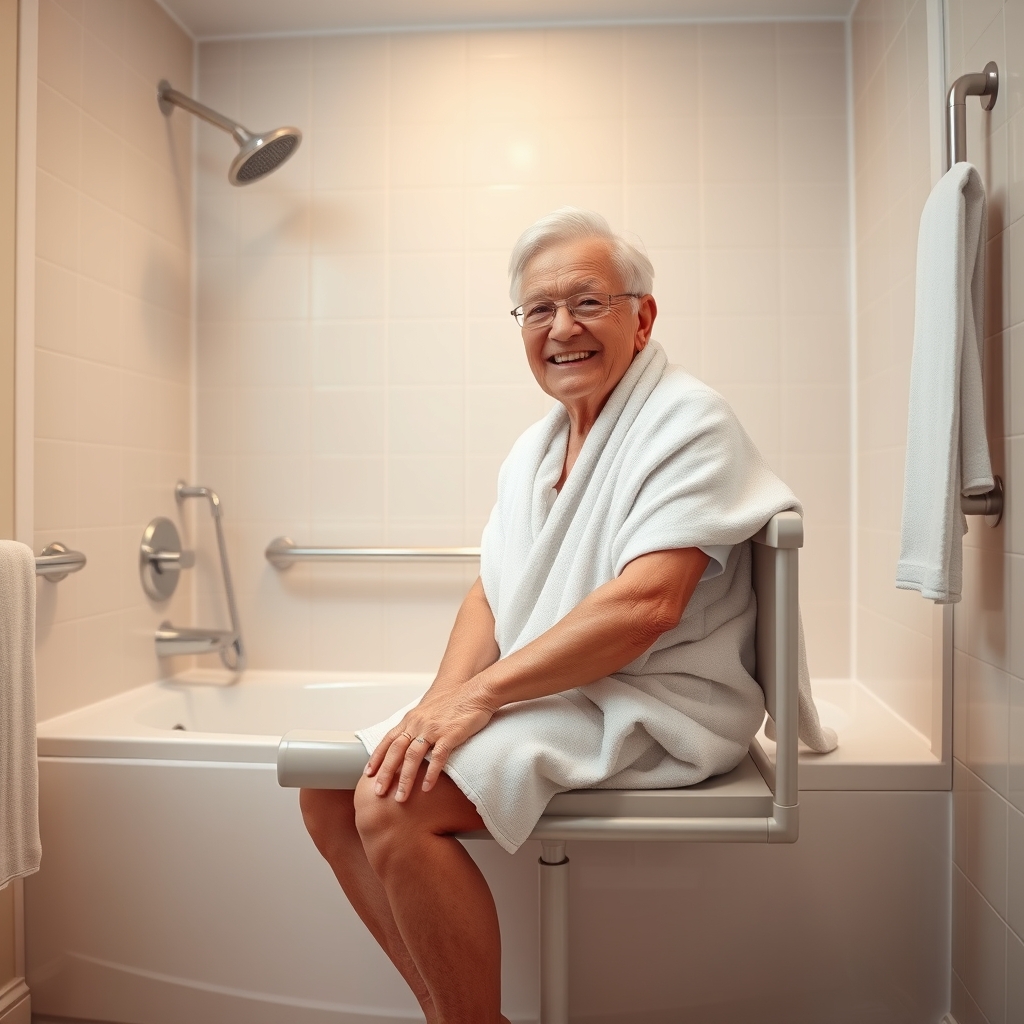
Not every bath board elderly or bath transfer seat option meets the standard for a genuinely safe, durable, and ADA-conscious upgrade. Here’s what to look for—especially in 2024’s multi-generational, style-focused homes:
- Non-Slip Feet and Wide Stance: Check for commercial-grade textured rubber and at least four points of contact (sometimes five, if your tub is extra deep or odd-shaped).
- Wider/Deeper Seats: Seek at least 17-inch seat depth and adjustable width; slim seats may force risky shifting or slipping as users move across.
- High Max Weight Rating: Exceed the user’s weight by at least 50 lb for wiggle room; always confirm the manufacturer’s real-world testing data.
- Easy, Reliable Assembly: Research video guides or user manuals beforehand; tool-free and color-coded parts can speed safe setup but double check for part tightness.
- Clear ADA Compliance/Labeling: This is rarely listed, but critical—look for explicit assurances on seat height, transfer path width, and the ability to add compliant grab bars at a safe, accessible height (typically 18 inches above seat level).
- Adjustable Feet for Irregular Tubs: Essential if your tub is oval, clawfoot, or has a non-standard lip; truly universal solutions will include adjustable legs or custom leveling kits.
One market gap: “Universal” and “heavy-duty” claims do not guarantee ergonomic fit for every user or tub style. Caregivers must always double-check product measurements and test stability before finalizing installation. [See more]
Homeowners now prioritize benches and boards that blend visually with modern fixtures—color-matched grab bars and sleek anti-slip covers help eliminate the stigma once associated with visible “hospital-style” gear. For wider upgrades, see our walk in bathtub guide or browse aging in place bathroom kits for full-room safety solutions.
Buying Checklist & Pro Tips for 2024-2025
- Double-check tub dimensions, especially for width and rim shape—oval or clawfoot tubs often need special foot kits or adjustable benches.
- Insist on models with real anti-slip feet and positive user reviews for long-term use (not just day one stability).
- Verify assembly method—can you or the user manage it solo, or is professional help needed? Watch install videos on YouTube or manufacturer sites.
- Check seat width, depth, and weight rating. Always add at least 25–50 lb for clothing, water, and movement.
- Ask sales reps about ADA compliance, especially seat height, transfer path, and grab bar integration. Request written stats when in doubt.
- Consider color and style—many brands now offer low-profile designs and color-matched grab bars to integrate with bathroom updates.
- For round-the-clock peace of mind, consider pairing with a motion sensor night light for nighttime bathroom safety.
Homeowners increasingly favor sleek, tool-free benches that blend into modern décor and eliminate medical hardware stigma. More brands now offer color-matched grab bars and low-profile styles, creating safer rooms without sacrificing style.
Conclusion
The bottom line: The right tub transfer bench or bath transfer board is an investment in safety, dignity, and independence—but only if you go deeper than generic “best-of” lists and demand fit, function, and real ADA conformity. Always test stability, verify specs, and don’t rush installation. Ready to make bathroom safety seamless for yourself or a loved one? Review your needs against the checklist above and compare options face-to-face when possible—your comfort and safety are worth it.
Act now—explore top-rated benches, safety accessories, and real-world guides to ensure your next purchase is built to last and truly safe. Don’t settle for less.
FAQs
What is the difference between a tub transfer bench and a bath transfer board?
A tub transfer bench straddles the tub wall with legs inside and outside, allowing seated entry. A bath transfer board is a rigid flat board bridging the tub rim and a seat or chair—usually less secure but handy for tight spaces or users with better mobility.
Can a tub transfer bench be used with all types of bathtubs?
Not always. Oval, garden, clawfoot, and extra-deep tubs require benches with adjustable feet or specialized kits to avoid wobble; standard benches often don’t fit securely on non-rectangular tubs. Always measure carefully before buying.
What weight capacity should I look for?
Always choose a transfer bench rated at least 25-50 lb over the user’s actual weight. For heavier individuals, select bariatric models with 400–850 lb capacity. Never exceed the manufacturer’s posted max rating.
How do I know if a transfer bench is ADA compliant?
True ADA compliance means published dimensions for seat height, width, and grab bar compatibility. Most consumer products do not guarantee full ADA fit—ask for a product data sheet or consult with an occupational therapist before purchase.
Are premium benches worth the higher price?
Premium or bariatric benches offer more robust materials, sliding/swivel seats, and higher weight ratings. They are ideal for users needing maximum safety or for long-term daily use—but check for actual fit and true ADA labeling before spending extra.
—