

Blog Post:
Doorless shower conversion is changing the way homeowners create safe, accessible, and modern bathrooms—yet most DIYers and even pros underestimate the details that make or break these projects. Hidden leaks, warranty pains, and slippery mistakes can leave you with costly repairs and lost peace of mind. This contractor-driven guide helps you pick and install a roll in shower kit or barrier free shower pan right the first time—saving you headaches and real money.
Key Takeaways
- The global doorless and roll in shower kit market topped $1.1 billion in 2024, with North America leading demand for aging-in-place and accessible bathrooms.
- The biggest pain points for conversions are poor waterproofing, tricky thresholds, and limited warranty support—choose a kit with integrated solutions to avoid leaks and water damage.
- Retrofittable, modular shower conversion kits save significant time and labor, but buyers must confirm ADA compliance and true long-term warranty coverage before purchase.
- Why Homeowners Are Choosing Doorless Shower Conversions
- Roll-In Shower Kits & Barrier Free Pans: What’s Inside a Conversion Kit?
- How Long Does Installation Actually Take?
- Real User Pain Points: Avoiding Leaks, Water Damage, and Headaches
- What Top Kits (Still) Get Wrong: Critical Gaps in Today’s Market
- Choosing the Right Doorless Shower Conversion Kit for Your Project
- FAQs About Doorless and Roll-In Shower Conversions
Why Homeowners Are Choosing Doorless Shower Conversions
Across North America and globally, more homeowners and caregivers are turning to doorless shower conversion projects for two reasons: accessibility and modern style. The surging aging-in-place trend, along with increased focus on bathroom safety, is fueling this shift. Buyers want roll in shower kits and ADA-compliant barrier free designs so people of all ages and abilities can bathe easily—without barriers or slips.
In 2024, over 350,000 doorless or roll in shower conversion kits were sold worldwide, generating $1.1 billion in revenue. North America accounted for 42% of these units, reflecting strong demand from seniors upgrading homes for safety and caregivers renovating for loved ones. There’s a real sense of urgency: bathroom falls are a top cause of home injury, and a curbless, accessible shower is now seen as essential, not optional.
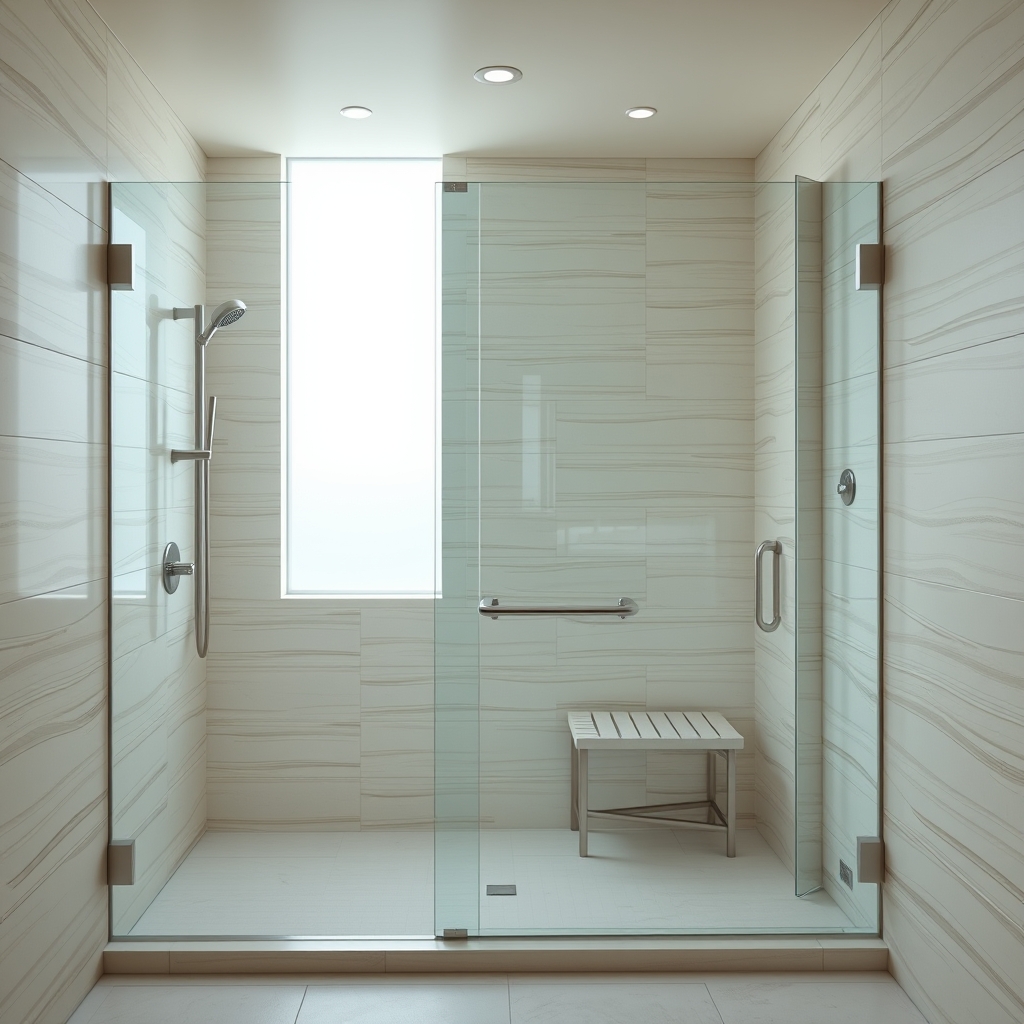
Roll-In Shower Kits & Barrier Free Pans: What’s Inside a Conversion Kit?
Not all shower conversion kits are created equal. Modern options break down into three types—pre-fab (acrylic or fiberglass), tile-ready pans, or modular solutions. The most popular kits for aging-in-place combine:
- Barrier free shower pan: Pre-sloped, roll in ready, with integral drain and near-zero threshold for wheelchair or walker access.
- Shower wall panels: Acrylic, composite, or tileable panels sized to fit standard tubs (60″ x 30″ or 36″ x 36″ are common).
- Reinforced threshold design: Often adjustable or low-profile, allowing for seamless floor transitions and easy water containment.
- ADA shower kit features: Grab bar anchoring points, slip-resistant texture, integrated seat or bench platforms, and adjustable hand shower brackets.
Average kit price in 2024 is $3,200, but budget options for small stalls (36″x36″) start as low as $800, while deluxe 60″x36″ barrier free kits reach $5,000. The key value: easier, code-compliant installation and shorter timelines than custom-built tile.
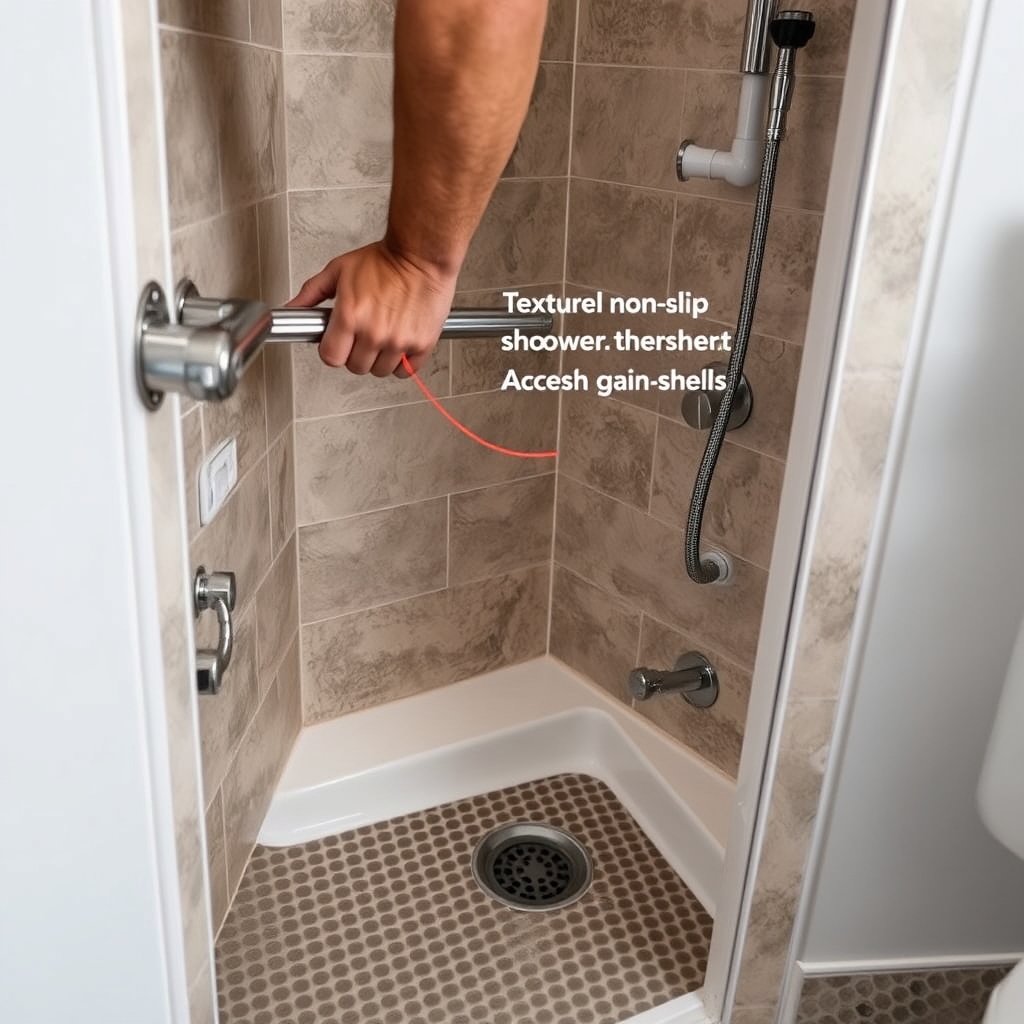
Many pro installers prefer modular, snap-together kits because they accommodate off-square walls and reduce the risk of error for DIYers. But always confirm the kit you select is listed as an ADA compliant shower kit if accessibility is the goal.
If you’re seeking broader safety for seniors, pairing your shower project with upgrades like a grab bar for bathroom safety or a shower chair with arms and back is highly recommended. For a complete solution, check out our Aging In Place Bathroom Kit guide.
How Long Does Installation Actually Take?
Realistically, your timeline depends on scope and existing bathroom conditions. Here’s how typical projects break down:
- Pre-fab kit installation: 1 to 2 days (basic removal, subfloor prep, kit assembly, caulking and curing).
- Tile-ready or semi-custom kit: 3 to 7 days (demolition, subfloor or joist leveling, pan and membrane install, tiling and grout cure).
- Full remodel or tub-to-shower wet area overhaul: 2 to 4 weeks (wall/floor demo, structural repairs, rough plumbing, inspections, finished install).
| Conversion Type | Estimated Time | Pros | Cons |
|---|---|---|---|
| Prefab Shower Conversion Kit | 1-2 days | Fast, predictable, limited demolition, low risk of code violation | Limited size/design, may not match legacy floors |
| Tile-Ready Pan & Custom Walls | 3-7 days | Custom design, better integration with room | Labor intensive, longer waterproofing time |
| Full Bathroom Remodel | 2-4 weeks | All issues addressed, total layout flexibility | Highest cost, disrupts daily living |
Key factors affecting speed include the type of shower entry threshold, the quality of subfloor, and whether unexpected issues arise—like rotten wood or old plumbing. Homeowners wanting to reduce downtime often opt for retrofittable or modular kits, now the fastest growing segment, especially through online and direct-to-consumer channels [Smart Shower Market Report].
Real User Pain Points: Avoiding Leaks, Water Damage, and Headaches
Despite improvements in kit design, the top complaints remain stubbornly consistent:
- Improper sloping and waterproofing of the floor: Even a 1/8″ dip or uneven pitch can let water migrate under the pan, causing hidden leaks and subfloor rot.
- Seal failures and water escaping at the threshold: Poor install or low-quality materials at the shower entry threshold let moisture creep into adjacent rooms, especially if caulk breaks down or expansion gaps are ignored.
- Fragmented or “loopholed” warranties: Some kits only cover the pan, not the hardware; others require registration or pro installation. DIY missteps (missed membrane seams, for example) often void coverage entirely.
- Hard to source replacement parts: Feedback shows owners chasing for months to get matching trim or wall clips, especially on older kits.
Want to avoid the warranty runaround? Compare kit warranties closely. Leading competitors rarely offer a full 10-year warranty that covers both the barrier free shower pan and all finish hardware—making simple repairs complicated and risky if something goes wrong. Read manufacturer terms carefully or go with brands known for integrated coverage.
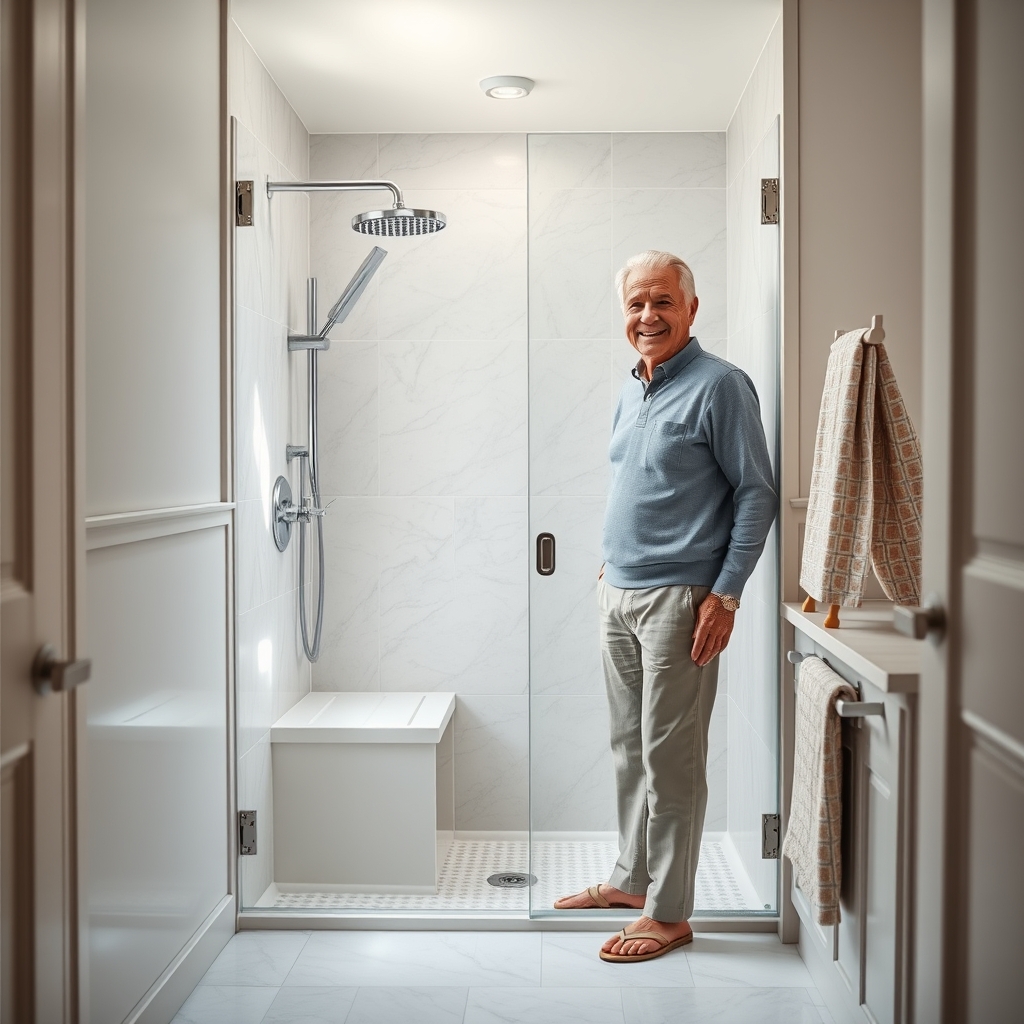
For overview of related bathroom safety risks, see our complete resource on preventing falls with a fall detection device.
It’s also worth pairing your curbless conversion with solutions like a toilet safety rail or a reliable bathtub mat for elderly to reduce slip and fall risk.
What Top Kits (Still) Get Wrong: Critical Gaps in Today’s Market
Even top roll in shower kit brands leave major gaps that can turn your project into a headache:
- Lack of integrated, factory-tested waterproofing and drainage: Only a handful of ADA shower kits ensure all seams, pans and drains are tested pre-shipment—most rely on jobsite assembly, which is prone to error and voids warranty if pre-slope isn’t perfect.
- Non-modular kit designs: Many kits require manual cutting, fitting, or even tiling on-site, causing delays, errors, and higher installation skill requirements. Modular, snap-together kits eliminate much of this risk but are surprisingly rare.
- Fragmented warranties and replacement support: A true 10-year warranty covering structural and hardware components is exceedingly rare. Most competitors split warranties or bury exclusions in the fine print, leaving buyers with little long-term protection if anything leaks or a grab bar fails. [Source]
If ADA compliance, leak protection, and long-term support are mission-critical for you—or for a loved one aging in place—these factors should score high on your kit checklist.
Choosing the Right Doorless Shower Conversion Kit for Your Project
A little planning goes a long way. Here’s a simple checklist to help you choose the best shower conversion kit and avoid common traps:
- Assess your space: Is your current tub/shower alcove a standard size (e.g., 60″ x 30″)? Professional measurement reduces ordering errors.
- Match DIY skill to kit complexity: Prefab kits with snap-in pans and panels are best for homeowners. If tile or plumbing reroutes are needed, pro installation is wise.
- Check for ADA and local code compliance: Confirm the barrier free shower pan offers the correct slope, finish height (zero or <1/2″), and anchoring points for grab bars.
- Scrutinize warranty coverage: Look for at least a 10-year warranty on both pan and hardware. Ask if DIY installation is fully covered.
- Source extra parts up front: Order at least one extra threshold strip, wall clip, and matching caulk/tape for future repairs.
- Compare online vs. showroom deals: Retrofittable modular kits are surging in popularity through e-commerce, offering more selection and bundled discounts [Market Report].
For full bathroom accessibility, you can pair your new shower with a bath cushion for elderly or consider adding a walk in bathtub if mobility is a primary concern.
FAQs About Doorless and Roll-In Shower Conversions
What is the average cost of a doorless shower conversion kit?
Most roll in shower kits and barrier free pans start at $800 for smaller stalls, with premium full-size or ADA-compliant kits averaging $3,200. Deluxe sizes or custom finishes can reach $5,000 or more. DIYers can often reduce labor costs, but subfloor repair and waterproofing need to be considered. See updated pricing here.
How do I prevent leaks in my new curbless or roll in shower?
Use a kit with a pre-sloped, integrated shower pan accessible for water control. Lay waterproof membrane to manufacturer spec, carefully seal all seams, and never skip expansion gaps. For best results, follow guidelines from a reputable source.
Do I need a professional installer or can this be a DIY project?
Many prefab conversion kits are designed for capable DIYers, but tile-ready or custom projects require advanced skills. Sloping, plumbing, and waterproofing must be perfect to maintain warranty and avoid costly repairs. When unsure, partial DIY (demolition or accessory fitting) with pro installation of the kit itself is a smart compromise.
Is my new shower conversion ADA compliant?
Not all kits are ADA compliant. For true accessibility, confirm the roll in shower kit or barrier free shower pan has a threshold of <1/2″, non-slip floor, and secure grab bar locations. Always check technical data and certifications.
What should I know about warranty coverage?
Coverage varies widely. Few kits cover both the structural pan and all hardware for 10 years. Read warranty terms closely, clarify if DIY install is allowed, and store purchase records. Some require photos or pro registration for claims.
Conclusion
Backing up the trend with data, doorless shower conversion delivers huge value for homeowners remodeling for accessibility, safety, and resale—but only if you avoid common pitfalls. Select a shower conversion kit with a true barrier free shower pan, prioritize proven waterproofing, and demand integrated, long-term warranty support. Ready to get started? Explore our full collection of aging-in-place and accessibility guides, and make your doorless shower conversion safer and smarter from day one.