

Blog Post:
Aging in place bathroom kit solutions are transforming senior bathroom safety in 2024. Whether you’re a caregiver, adult child, or an independent senior, understanding what bundled bathroom modification kits deliver—and where most still fall short—can mean the difference between safe independence and risky struggle.
Key Takeaways
- The global market for aging in place bathroom kits is booming, but most kits still require careful comparison to truly meet senior needs.
- Installation challenges, poor fit, and lack of integrated support are persistent pain points users report about current senior bathroom bundles.
- Prioritize modularity, customer service, and warranty support—don’t just shop on features or price alone.
- Why Aging in Place Bathroom Kits Are on the Rise in 2024
- What’s Included in an Aging in Place Bathroom Kit?
- Real User Pain Points: What Most Kits Get Wrong
- Innovation Gaps: What Today’s Kits Still Lack
- How to Choose the Right Aging in Place Bathroom Kit
- 2024–2025 Market Outlook: Trends and Leading Brands
- FAQ
Why Aging in Place Bathroom Kits Are on the Rise in 2024
Demand for bundled aging in place bathroom kits is at an all-time high. The reason? By 2030, the global population of seniors is expected to double, pushing the aging in bathroom products market past USD 4.3 billion with a rapid 10% annual growth rate. North America currently leads with about 26% of the global market, but Asia-Pacific is catching up fast as longevity rises in countries like China, Japan, and India.
Home modification for seniors is no longer about basic grab bars—it’s about affordable safety, convenience, and the ability to live independently longer, all without the hassle or cost of major renovations. That’s why complete aging in place bathroom kit packages are driving new interest, especially among adult children seeking peace of mind for their parents.
What’s Included in an Aging in Place Bathroom Kit?
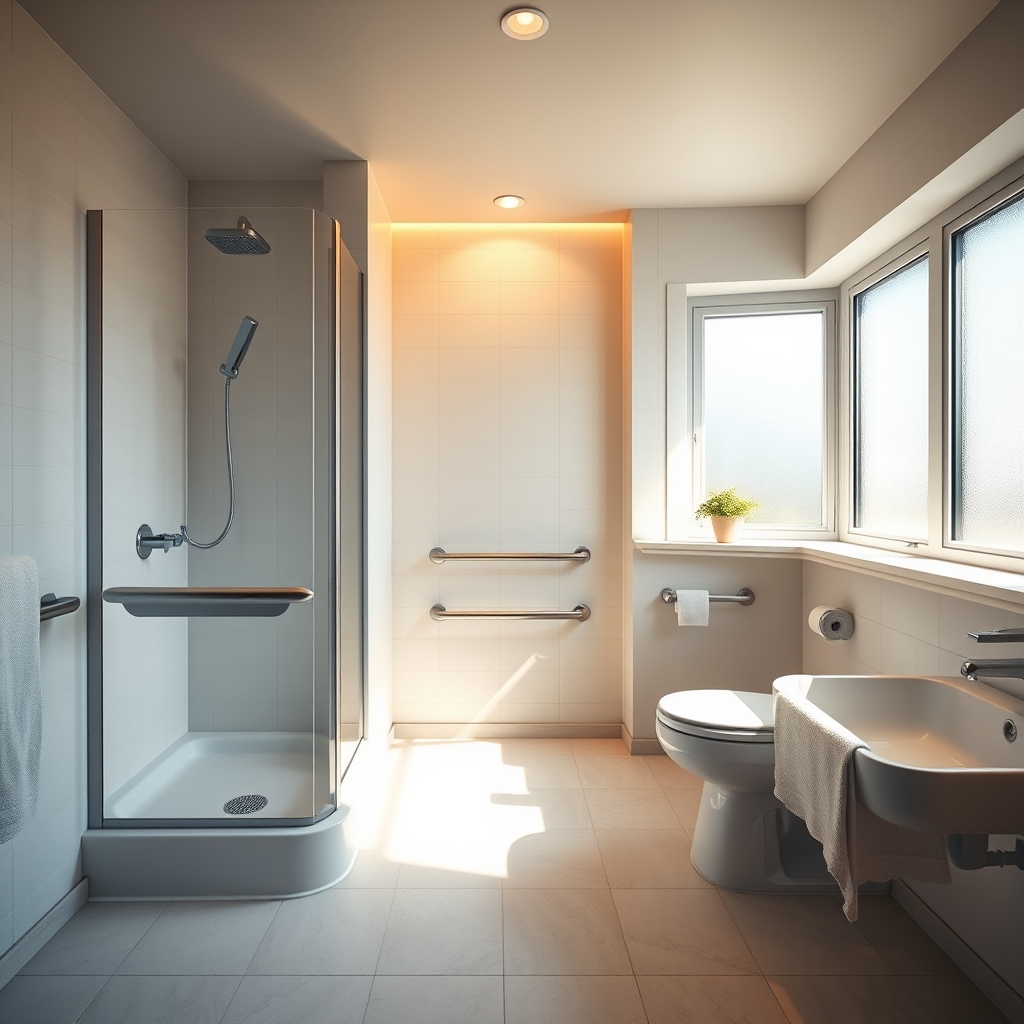
Not all bathroom safety starter kits are created equal. At the entry level (often under $500), a kit may include basic grab bars, toilet safety rails, a non-slip bathtub mat, handheld shower head, and maybe an easy-to-install bath seat or shower chair.
Mid-range and premium senior bathroom bundles can include:
- ADA-compliant grab bars for walls, tubs, and showers
- Non-slip surfaces and mats
- Shower chairs—or even padded bath cushions
- adjustable toilet frames and seats
- Roll-in or walk-in shower enclosures (up to $6,000+)
- Smart controls and fall alert buttons for extra safety
Expect a fall proof bathroom kit to start at about $200 to $500, but outfitting your bath with roll-in or walk-in options, premium safety sensors, and smart features can push prices from $1,500 to $10,000 or more. As referenced by recent smart bathroom product data, tech-enabled packages command a growing part of the market.
Real User Pain Points: What Most Kits Get Wrong
Even the best-selling aging in place bathroom kits aren’t perfect. The most common complaints reported by buyers are consistent across price points and brands:
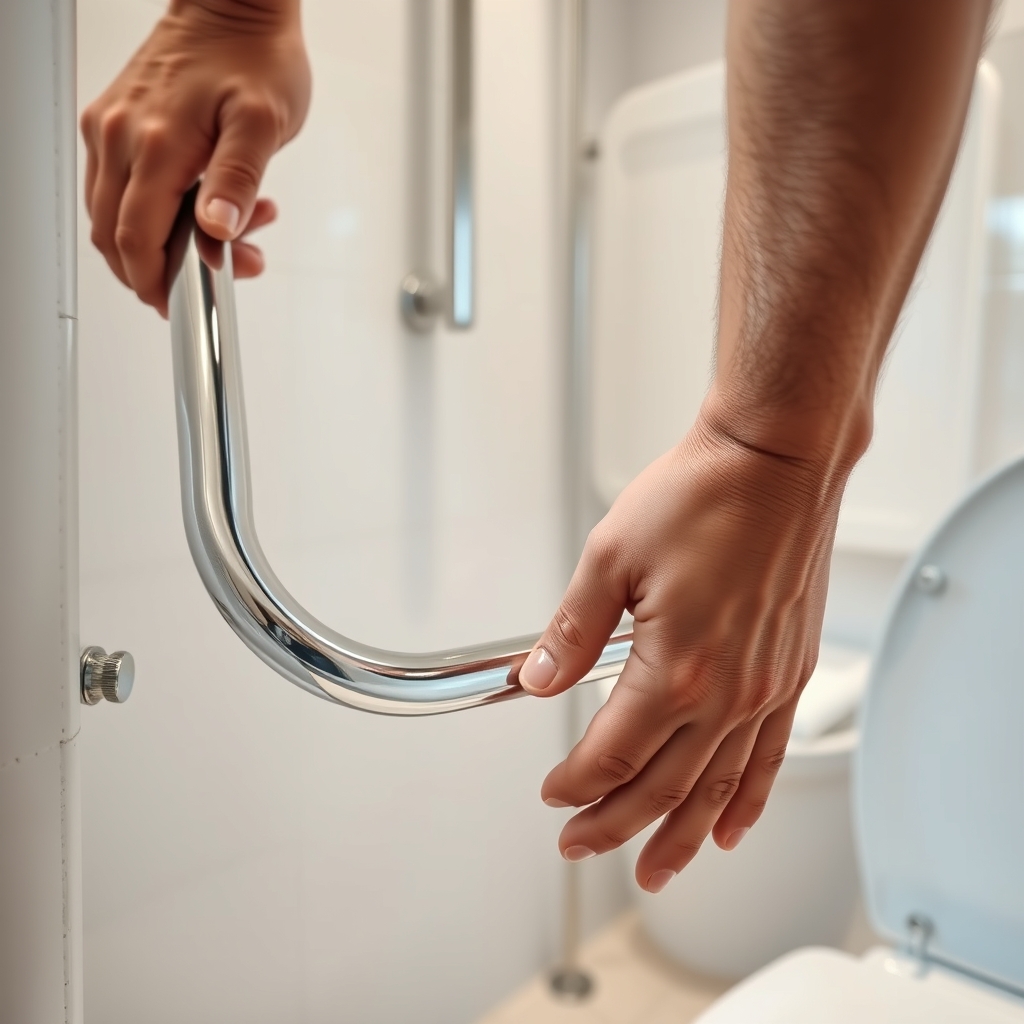
- Difficult DIY installation – Many kits claim easy assembly but require drilling, wall reinforcement, or even professional installers. Confusing instructions worsen the issue, leaving many buyers frustrated or returning products.
- Poor fit and aesthetics – One-size-fits-all kits often don’t blend well with modern bathrooms, and components may not fit properly on older fixtures or layouts.
- Durability and waterproofing concerns – In high-moisture areas, many safety rails, mats, or digital controls just don’t hold up. Short warranties and cheap plastics are common complaints.
- Inadequate support – Post-sale support and returns can be a nightmare, with unclear instructions or limited warranty options. This is particularly tricky for high-ticket items like walk-in tubs or smart alert systems.
Many customers end up calling in specialists or combining kits with standalone items like shower chairs or permanent grab bars to get the job done.
| Complaint | Budget Kit | Premium Kit | Custom Install |
|---|---|---|---|
| DIY Installation Difficulty | High | Medium | Low |
| Poor Fit / Aesthetics | Common | Occasional | Rare |
| Limited Durability / Warranty | High | Medium | Low |
| Post-Sale Support Frustration | Frequent | Somewhat | Rare |
Innovation Gaps: What Today’s Kits Still Lack
Despite market growth, most bathroom modification kits for aging in place miss the mark on three major fronts:
- Seamless smart integration. Few kits combine voice-activated controls, safety sensors, and health monitoring in a real plug-and-play ecosystem. Installation almost always requires new wiring or extra devices.
- True modularity and customization. Most bundles are rigidly designed, forcing you to buy (and install) features you may not need now. Reconfiguring them when mobility needs change is limited or costly.
- End-to-end service. A single package that provides in-home consult, certified installation, and one-warranty maintenance is extremely rare. Instead, customers must juggle multiple vendors, service contracts, and products—making the process overwhelming for families.
Luckily, some innovators are targeting these gaps. Watch for new senior home safety kit bundles from brands like Kohler, Moen, American Standard, and niche providers that now attach video support or remote maintenance monitoring.
How to Choose the Right Aging in Place Bathroom Kit
Choosing the ideal kit isn’t about grabbing the most expensive box. Here’s how to make a confident decision:
- Assess the bathroom and user’s mobility needs.
- For wheelchair or walker users, look for roll-in kits and wider doors.
- For those at risk of falls, prioritize non-slip mats, bars, and fall alert devices.
- For people with cognitive challenges, aim for color-contrasted grab points and simple, single-lever controls.
- Compare features by support—not just features.
- Opt for modular kits that can be expanded over time as needs change.
- Select products with generous, well-reviewed warranties—at least 1 to 3 years for high-moisture/high-wear components.
- Evaluate the level of phone, video, or in-person support included—some leading brands now offer more than just a product box.
- Ask targeted questions before you buy.
- Is the kit compatible with your existing fixtures and wall materials?
- Are installation guides clear, or can you get installation support?
- Is every safety element—grab bars, rails, mats—tested and ADA or equivalently certified?
- Can you return or exchange individual components easily?
North America drives many of the trends, but don’t overlook regional fit—some kits from Asia-Pacific offer exceptional design and price, but US support can lag. If you want deep-dive recommendations for individual components, check guides like grab bar safety or best walk-in bathtubs for aging in place to mix-and-match with your starter kit.
2024–2025 Market Outlook: Trends and Leading Brands
The senior bathroom kit space is changing fast. The global smart bathroom products market is worth over USD 7.1 billion in 2024, and is expected to reach USD 21.3 billion by 2034. Brands like Kohler, TOTO, Moen, Lixil, and American Standard now bundle voice-assist devices and sensors in advanced kits, but warranty support and modularity still vary dramatically.
Asia-Pacific is the fastest mover, accounting for around 27% of elderly care product revenue and introducing lower-cost, design-forward options. North America, however, is king for warranty support and bundled services—though sometimes with a premium price. Watch for niche brands to enter with more inclusive, one-stop design-to-install packages that blend tech, aesthetics, and long-term service.
FAQ
What is an aging in place bathroom kit?
An aging in place bathroom kit is a pre-bundled set of safety modifications—such as grab bars, non-slip mats, shower seats, and toilet rails—designed to help seniors retrofit a bathroom for safer, independent living, typically without major construction.
Are these kits truly DIY, or do I need a contractor?
Most budget kits are DIY-friendly, but items needing wall reinforcement (like permanent grab bars or roll-in showers) may require a contractor. Always check installation guides and consider your comfort level before starting.
What features should I look for beyond just grab bars?
Seek out kits that include non-slip surfaces, fall alert buttons, shower chairs or benches, adjustable-height rails, and easy-to-use fixtures. Smart-enabled features and warranty coverage are big pluses.
How do I know if the kit components will fit my bathroom?
Double-check measurements (door width, tub/shower area, wall material) and look for modular or adjustable kits. Reading user reviews can also help you spot common compatibility issues for your bathroom type.
Are there any government programs or financial aid for aging in place bathroom kits?
Some Medicare Advantage plans, local agencies, or non-profits provide rebates or assistance for bathroom safety upgrades. Check state, provincial, or municipal websites for current programs.
Conclusion
Getting the right aging in place bathroom kit in 2024 means careful comparison, not just choosing the hottest item or lowest price. Consider the experience—for both immediate safety and long-term independence. Ready to retrofit your bathroom? Do your research, read real user reviews, and act before it’s critical—your loved one’s comfort and safety are worth the effort.