

Blog Post:
ADA compliant grab bar selection and installation is one of the most critical (yet confusing) upgrades you’ll make for bathroom safety—especially for seniors or anyone with limited mobility. Nearly every online guide glosses over real-world specs, hidden installation costs, and what “ADA compliance” really means. Here, you’ll get a no-nonsense, data-backed breakdown so you can safely, affordably retrofit any bathroom with genuine bathroom support bars.
Key Takeaways
- ADA compliant grab bars must handle 250 lbs minimum, be 36–42″ long, and keep 1.5″ clearance from the wall.
- In 2024, stainless steel wall-mounted grab bars make up 45% of the market and cost $50–$150 plus installation.
- Proper mounting hardware and stud/blocking placement are as important as the bar itself for real safety.
- What Does “ADA Compliant Grab Bar” Really Mean?
- 2024 Market Overview: Types, Material, and What They Cost
- Choosing the Best ADA Grab Bar: Placement, Weight Ratings & Specs That Matter
- Installation Pitfalls: Why Even the Best Grab Bar Fails Without the Right Hardware
- Real Costs: Product, Hardware, and Installation Fees—What Guides Leave Out
- Quick Checklist: Must-Have ADA Grab Bar Specs Before You Buy
- FAQ
What Does “ADA Compliant Grab Bar” Really Mean?
The Americans with Disabilities Act (ADA) sets specific standards for any ADA compliant grab bar used in public and private spaces. True ADA compliance means more than just being called “heavy duty” or “handicap grab bar”—it’s about safety specs. According to ADA standards, the bathroom support bar must:
- Withstand at least 250 pounds of force (vertically or horizontally) without deforming.
- Be 36–42 inches long, depending on placement (toilet or shower).
- Sit exactly 1.5 inches away from the wall to allow a secure hand grip.
- Be mounted 33–36 inches above the finished floor surface.
- Have non-rotating fittings and a slip-resistant surface.
- Use corrosion-resistant hardware.
Legally, these standards mainly apply to public places, but for anyone aging in place or caring for a loved one, following them at home is essential. ADA compliance is your guarantee that a grab bar for shower or toilet areas is truly supportive, fits most hands comfortably, and can handle high forces if someone slips.
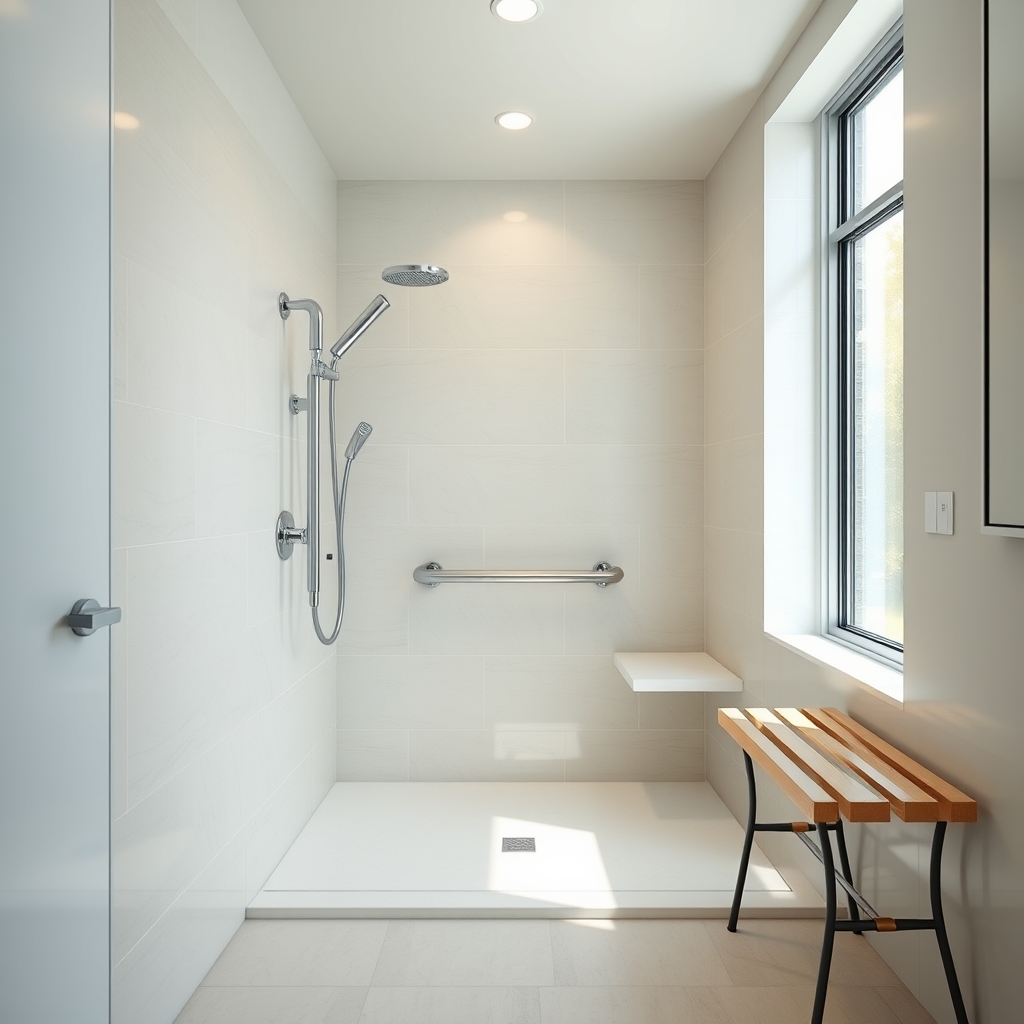
2024 Market Overview: Types, Material, and What They Cost
In 2024, the market for ADA compliant grab bars reached around $730 million globally. Over 45% of the market consists of wall-mounted bars, thanks to their reliability and versatility in both homes and care facilities. Stainless steel dominates with about 64–68% of all units sold, while plastic composites and aluminum trail far behind.
Types of bathroom grab bars you’ll find:
- Wall-mounted grab bar: Fixed on the wall with heavy-duty anchors—ideal for showers, tubs, and toilets.
- Floor-mounted grab bar: Bolted into the floor, best for open or corner positions.
- Folding/hinged grab bar: Swings up or down for flexible access, often near toilets.
- Suction grab bar: Temporary and tool-free, but rarely ADA compliant or suited for high-weight support.
Pricing in 2024 ranges by type and material:
- Standard wall-mounted stainless steel grab bar: $50–$150
- Floor-mounted (heavy duty): $70–$180
- Foldable/hinged grab bar: $80–$200
- Suction mount: $60–$120 (generally not true ADA compliant, use only for low-risk settings)
Always look for a true stainless steel grab bar if moisture and long-term durability matter—these resist corrosion for years even in the busiest bathrooms. For a deep dive into how grab bar type impacts safety, see our step-by-step grab bar installation guide.
Choosing the Best ADA Grab Bar: Placement, Weight Ratings & Specs That Matter
Not all “ADA style” bars are equal. Here’s what determines the right grab bar for shower, toilet, or tub use—plus what many big-box kits miss.
- Length: Standard ADA bars are 36–42 inches but for small showers or angled spaces, a 24-inch corner shower grab bar or angled grab bar fits better.
- Weight Capacity: 250 lbs is the ADA minimum. However, many bars rated for up to 500 lbs are ideal for heavier users or those wanting extra peace of mind.
- Shape and Placement: Use a straight bar for along walls, L-shaped/angled bars in corners, and U-shaped or folding bars by toilets. The horizontal position should be 33–36 inches above the floor, vertical or angled for transfer zones.
- Material: Stainless steel costs a bit more but outlasts most alternatives.
- Grip Surface: Ensure the bar is textured, knurled, or features anti-slip coating for wet hands.
Rooms and places that may need a specialty bar:
- Showers: Combine a straight and a corner shower grab bar for entry and exit.
- Bathtubs: Consider both back wall and vertical bars for safe transfers.
- Toilets: A wall-mounted or folding bar next to the toilet offers essential support.
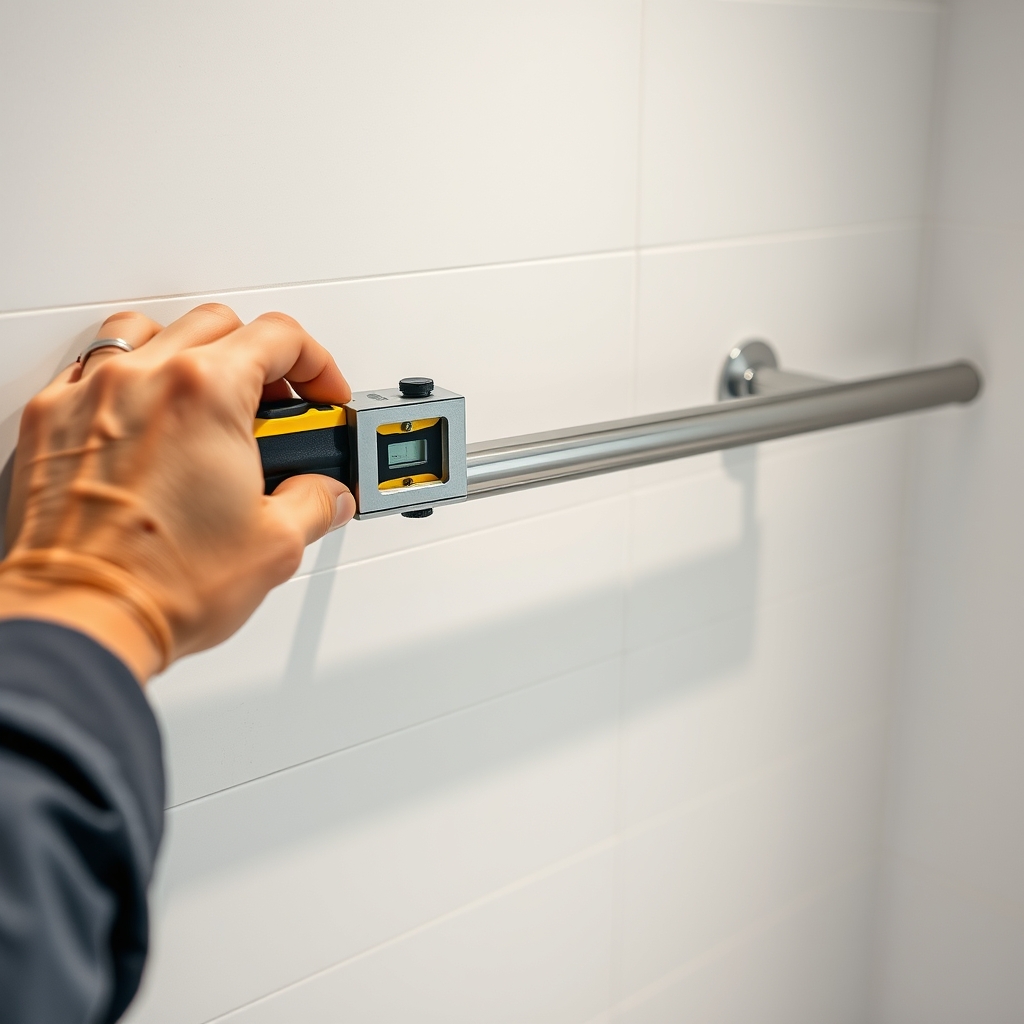
Not every product labelled as “ADA grab bar” fits user needs. Always confirm length, thickness (1.25–1.5 inches diameter for a secure grip), and check the label for independent load testing. For custom shower safety, you may want to combine a shower chair for seniors and non-slip bathtub mat with a proper grab bar setup.
Installation Pitfalls: Why Even the Best Grab Bar Fails Without the Right Hardware
Even the strongest wall mounted grab bar is useless if not anchored correctly. According to recent market research, installation issues are the top customer pain point. Here’s what goes wrong most often:
- Missed studs or weak drywall: Failing to anchor into wood studs, steel blocking, or solid masonry leads to fastener failure under stress, risking serious injury.
- Poor hardware: Cheap screws, wall anchors, or fasteners not rated for 250+ lbs can rip out over time—especially behind tile or in moist walls. Never skimp on mounting hardware.
- Wrong torque and spacing: Fittings need to be tightened to manufacturer’s spec. Some require a torque driver for safety.
- Hardware corrosion: In humid bathrooms, untreated screws or plates rust quickly, weakening over months or years.
Expect installation costs (pro or DIY supplies) to match or exceed the price of the bar itself. Here’s a quick comparison:
| Grab Bar Type | Product Cost | Installation Hardware | Pro Installation Fee | Risk if Improperly Installed |
|---|---|---|---|---|
| Wall mounted grab bar (stainless steel) |
$50–$150 | $10–$25 | $90–$250 | Bar pulls out, injury risk, not ADA compliant |
| Floor mounted heavy duty grab bar |
$70–$180 | $20–$40 | $150–$350 | Base loosens, trip hazard |
| Folding/hinged handicap grab bar |
$80–$200 | $25–$50 | $150–$350 | Improper swing/lock mechanism can fail |
| Suction mount | $60–$120 | $0–$10 | DIY only | Very low; usually NOT ADA compliant, use for travel only |
In summary: Hire a licensed contractor for tile or complex installs, especially if you can’t locate studs. Professional help saves time and offers peace of mind.
Want more expert tips? Read our up-to-date guide on aging in place bathroom safety kits to see how grab bars combine with other smart upgrades.
Real Costs: Product, Hardware, and Installation Fees—What Guides Leave Out
Many “helpful” guides ignore the full costs you’ll face with a heavy duty grab bar or wall mounted grab bar. Here’s an honest breakdown for budgeting:
- Standard ADA compliant wall bar: $50–$150 for the product itself
- Mounting hardware: $10–$30 (corrosion-resistant screws, specialized anchors, spacers, escutcheons)
- Professional installation: $90–$350 per bar for labor—higher for tile, stone, or floor mounts because of extra reinforcement or wall repair
- DIY (with basic tools): $0–$40 for extra drill bits, find studs, silicone caulk
In reality, the total cost of ownership usually ends up around $150–$400 per bar if you hire a pro. But, skimping on the job is not worth it for safety: one hospital trip from a failed bar easily wipes out any up-front savings.
For DIYers, the biggest hidden costs are: patching mistakes, re-buying bars to fix bad installs, and buying tile or drywall repair materials. If you’re uncertain, paying for a quality installation pays off. Pair your bar with a bath cushion or fall detection device for an even safer environment.
Quick Checklist: Must-Have ADA Grab Bar Specs Before You Buy
Use this checklist to confirm your ADA compliant grab bar meets every practical and regulatory box. Feel free to print or copy before shopping.
- Load Capacity: At least 250 lbs (500 lbs preferred for peace of mind)
- Length: 36–42 inches (or per ADA specs for your space)
- Diameter: 1.25–1.5 inches (fits all hands safely)
- Wall Clearance: 1.5 inches (no more, no less)
- Grip: Non-slip, textured or knurled surface
- Mounting Height: 33–36 inches above floor, or per code for your setup
- Hardware: Corrosion-resistant anchors and covers, never basic drywall screws
- Material: Stainless steel preferred for durability
- Price Range: Product $50–$200, hardware/installation can match product price
If you want a printable version or visual checklist, check out our illustrated toilet safety rail guide for related tips.
Conclusion
Buying an ADA compliant grab bar is about more than the label—a truly safe bathroom support bar meets all ADA specs, is carefully installed with the right hardware, and fits your real-world needs. Never compromise on weight rating, bar length, or solid mounting. Your investment in a quality wall mounted or heavy duty grab bar provides true peace of mind and compliance for years to come. Ready to upgrade your bathroom safety? Compare top-rated grab bars, verify specs—and if in doubt—choose the pro install for lasting results.
FAQ
What makes a grab bar “ADA compliant”?
An ADA compliant grab bar must support at least 250 lbs, be 36–42 inches long, maintain a 1.5-inch clearance from the wall, and be non-rotating with non-slip grip. It must also be installed 33–36 inches above the floor using corrosion-resistant hardware.
Can I install a grab bar myself, or do I need a professional?
If you have basic tools and can find studs or proper blocking, DIY is possible. However, for tiled walls, stone, or if you’re unsure about wall structure, professional installation ensures safety and compliance—especially considering the risks of a failed bar.
Are suction grab bars really safe and ADA compliant?
Most suction grab bars do not meet ADA standards and should only be used for light, temporary support in non-critical areas. Rely on a wall mounted or floor mounted bar for any situation where a fall is likely.
How much does a decent ADA grab bar plus installation typically cost?
In 2024, expect $50–$150 for a standard bar, $10–$30 for hardware, and $90–$350 more for professional installation, for a total of $150–$400 per bar.
Should I go above the 250-lb rating?
If the user is heavier or if you want ultimate peace of mind, choose a bar rated up to 500 lbs—it’s a small price for extra security, especially in high-use or multi-user bathrooms.