

Blog Post:
fall detection device technology is a game changer for seniors, especially when it comes to bathroom safety in 2025. Bathrooms are the number-one danger zone for elderly loved ones, but choosing the right fall prevention gear is not as simple as buying a basic alert button.
Key Takeaways
- Bathroom falls drive most purchases of fall detection devices, but not all devices work seamlessly or reliably in wet, high-risk spaces.
- Wearable fall detection devices dominate the 2025 market, while innovative bathroom safety products like smart grab bars and ambient motion sensors are just emerging.
- Gaps remain in cost, evidence of effectiveness, and true integration with smart home or emergency response systems for seniors and caregivers.
- Why Bathroom Fall Detection Matters for Seniors
- 2025 Fall Detection Device Market Overview
- Comparing Types: Wearable vs Installed Fall Alert Systems for Bathrooms
- What Competitors Miss: 3 Critical Gaps in Bathroom Fall Prevention
- Essential Features to Look for in a Fall Proof Bathroom Kit
- The Real-World Value: Does Fall Detection Actually Prevent Bathroom Injuries?
- Top Picks for 2025: Recommended Fall Detection and Bathroom Alert Devices
- Buyer’s Checklist: What to Ask Before You Buy a Fall Detection Device
- The Future: Where Fall Prevention Bathroom Tech Is Headed (2025–2028)
- FAQ
Why Bathroom Fall Detection Matters for Seniors
For seniors, the bathroom poses a unique blend of slippery surfaces, tight quarters, and limited grab points. Standard fall detection devices often fail to capture the true hazard in this room. According to a 2025 survey, “most respondents said that a fall triggered their decision to purchase a device… ‘Last year I fell in the shower and couldn’t get up.’” (NCOA)

Falls in the bathroom lead to more serious injuries due to hard surfaces and the difficulty for a senior to call for help while wet or lying on the floor. While a grab bar bathroom seniors solution can prevent some slips, only a dedicated fall detection device detects an emergency, initiates a response, and can save critical minutes during a crisis.
This is why choosing the right fall prevention bathroom seniors kit, alert button, or integrated device is essential for loved ones living at home.
2025 Fall Detection Device Market Overview
In 2025, the global fall detection device market is worth about $1.9 billion. Wearable systems—including wristbands and pendants—account for around 70% of sales, with the rest made up of installed solutions such as wall units and fixed alert buttons. Senior adoption of wearables has increased from about 20% in adults age 65+ in 2024 to an estimated 30% in 2025 (FMI).
Types of fall detection device systems on the market:
- Wearable devices: Wristbands (about 38% market share), pendants, and smartwatches like the Apple Watch Series 10, averaging $199 upfront with $10–11/month subscriptions (Yahoo Finance).
- Installed bathroom systems: Wall-mounted emergency buttons, smart grab bars, pull cords, and ambient sensors. These typically have higher monthly fees and require installation.
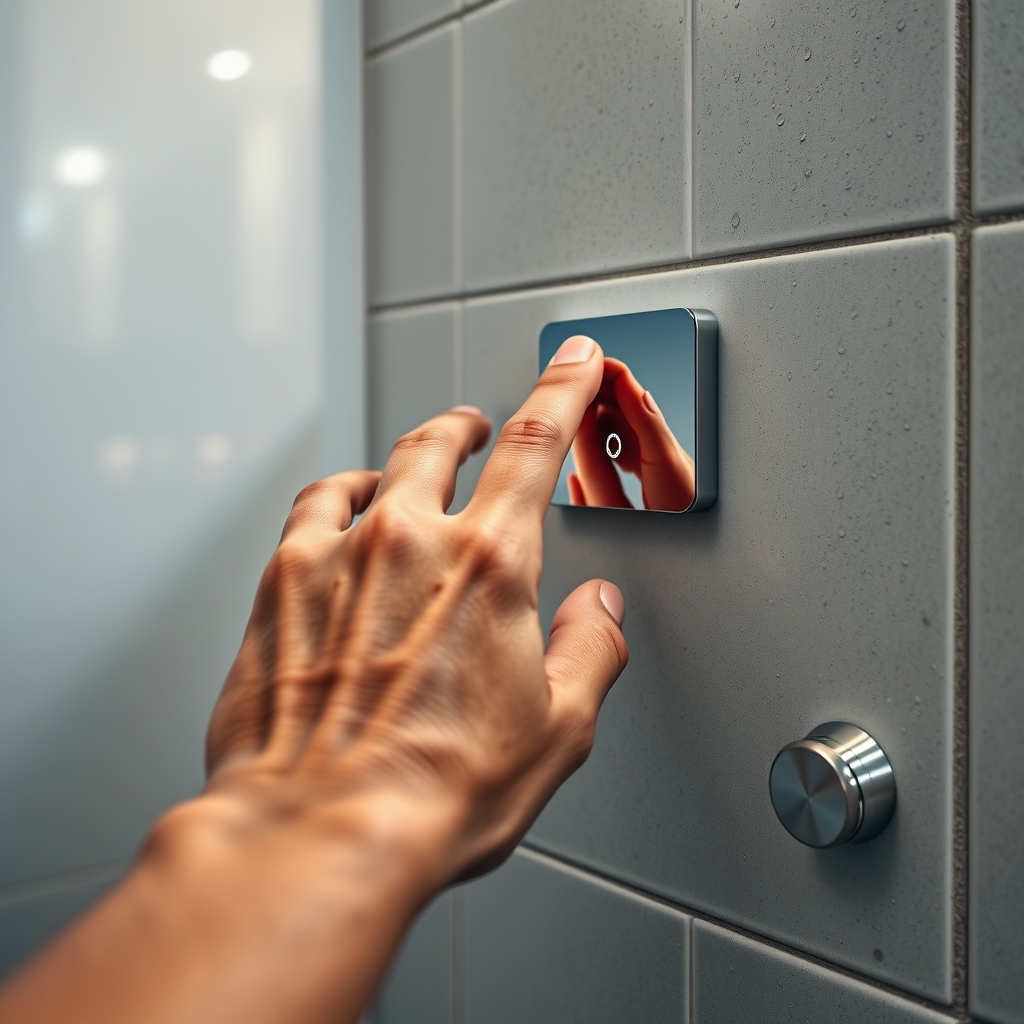
Integrated kits combining both types are also emerging. Prices for traditional medical alert systems with a fall alert button bathroom, or emergency pull cord bathroom, start at $30/month with an added $5 for fall detection features (Aging In Place).
Bathroom-specific fall proof bathroom kit solutions like waterproof bath cushions and motion-detecting night lights are making an impact for 2025, especially when paired with wearables for round-the-clock safety.
Comparing Types: Wearable vs Installed Fall Alert Systems for Bathrooms
When choosing between a wearable and an installed system, it’s important to compare reliability, cost, and ease of use for older adults, especially those who don’t like gadgets or forget to wear them.
| Type | How It Works | Pros | Cons | Typical Pricing |
|---|---|---|---|---|
| Wearable (Wristband/Pendant) | Detects falls using motion sensors, works in/out of bathroom if worn |
|
|
$199 up front + $10–11/month |
| Installed System (Pull Cord, Smart Bar) | Fixed in bathroom; triggers alert on pull or sensor activation |
|
|
$30/month + $5/month for fall detection |
Some seniors also use a shower chair seniors or a toilet safety rail for added stability alongside their fall detection device.
What Competitors Miss: 3 Critical Gaps in Bathroom Fall Prevention
Despite rapid innovation, most brands still overlook critical aspects of fall prevention in the bathroom:
- Smart-home integration: Very few personal alarm elderly or medical alert bathroom solutions connect seamlessly with smart speakers, mobile apps, or other in-home devices.
- Affordable, discreet design: Bulky devices or high ongoing costs deter low-income seniors and those resistant to new tech, as many still lack wide health insurance coverage (Thera Trainer).
- Proven deployment: Research still finds limited peer-reviewed evidence on whether bathroom-targeted products (like smart grab bars, motion lights, or pull-cord alerts) outperform standard fall-detection wearables for actual injury prevention.
Overall, a more holistic approach—integrating devices, better cost support, and verified effectiveness—is needed moving forward.
Essential Features to Look for in a Fall Proof Bathroom Kit
A high-quality fall proof bathroom kit should make life easier, not more complicated. Look for the following features before buying:
- Waterproof design: Devices must operate safely in wet, humid settings.
- Long battery life: Minimizes recharging and increases reliability.
- Voice activation: Allows seniors to call for help hands-free, especially if mobility is limited.
- Motion or ambient sensors: Automated alerts for non-wearers or when a fall goes unobserved.
- Ease of use: Big buttons, clear audio, and automatic reset options.
Innovative tech like smart grab bars with pressure sensors, voice-activated shower systems, and motion-activated night lights are new arrivals in fall prevention, offering both proactive safety and rapid help if a fall occurs (AllSeniors).
The Real-World Value: Does Fall Detection Actually Prevent Bathroom Injuries?
Many families want to know: do fall detection devices really reduce injuries in bathrooms, or is the value mainly peace of mind? Evidence is mixed:
- Most studies confirm wearables and alert systems enable faster help, which reduces time spent waiting on the floor—a key factor in survival and recovery.
- For bathroom-specific solutions, “limited peer-reviewed evidence” currently exists showing products like smart grab bars, motion lights, or pull-cord alerts actually lower falls compared to standard wearables in the same homes.
- Still, countless testimonials cite quick medical response after a fall in the bathroom, with one caregiver reporting, “EMTs arrived fast and I avoided a worse situation. Lifesaver.” (NCOA)
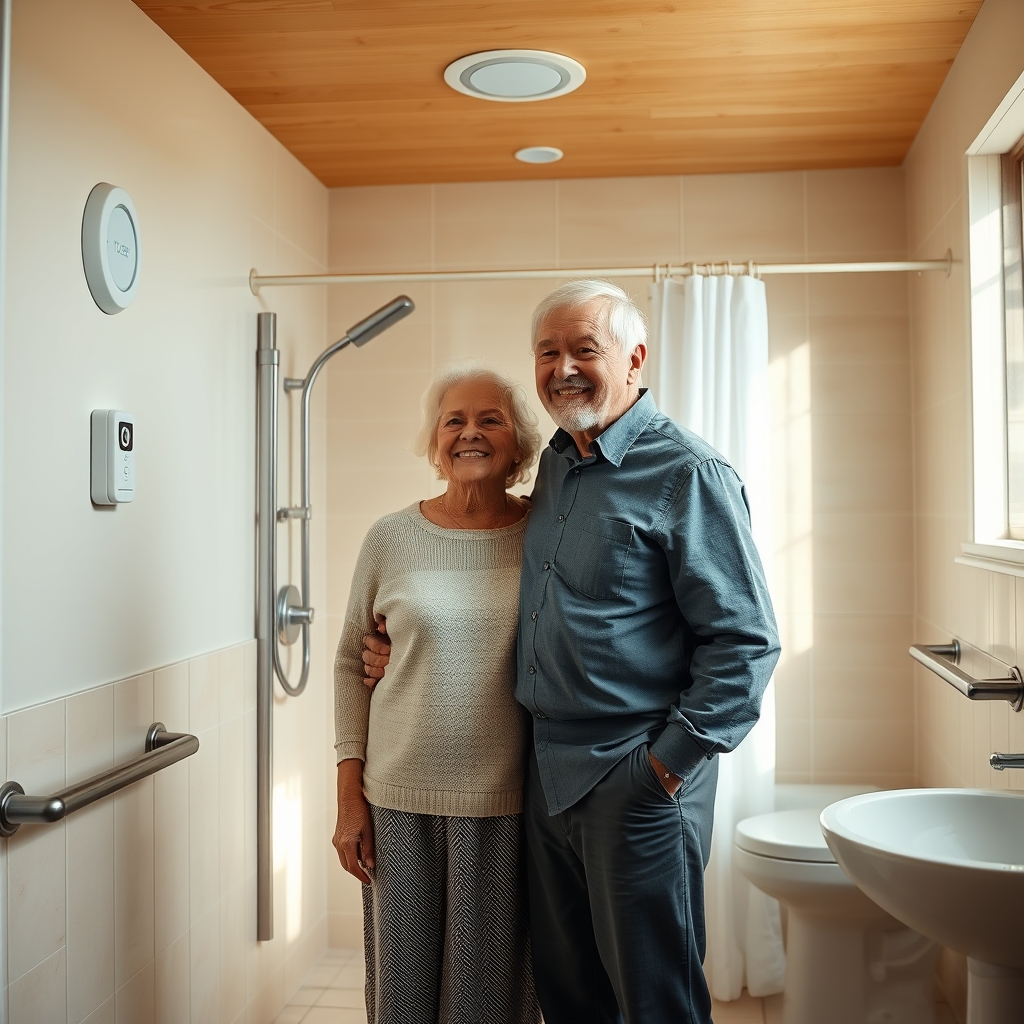
Takeaway: Fall detection device solutions combined with physical fall prevention (non-slip bath mats, grab bars) deliver the most reliable protection strategy for seniors and caregivers right now.
Top Picks for 2025: Recommended Fall Detection and Bathroom Alert Devices
Based on independent testing, market stats, and customer feedback, here are the best fall prevention devices for the year ahead:
- Apple Watch Series 10: Top wearable fall detection device, waterproof, voice-activated, reliable alerts; $399+ up front, $10/month subscription.
- Medical Guardian Freedom Guardian 2: Wearable smartwatch, 48-hour battery, automatic and manual help buttons, starts at $199+$40/month including fall detection.
- Bay Alarm Medical (Pendant & Home System): Best value for bulkier wearables, wall or pendant use, $29–39/month plus $5/month for fall detection (Aging In Place).
- Smart motion-sensing night lights: Essential for fall proof bathroom kit, starting at $20–50 per light, instantly illuminating night trips (JubileeTV).
- Smart grab bar (with alert): Detects force, calls for help when a fall occurs, around $80–120, integrate into bath safety plan.
For low-tech users or in homes with lower Wi-Fi coverage, a wall-mounted emergency pull cord bathroom solution is still reliable, but ensure it’s within easy arm’s reach of typical fall zones.
Buyer’s Checklist: What to Ask Before You Buy a Fall Detection Device
- Is it waterproof? Devices must work after a shower or accidental splash.
- How much does the device really cost? Ask for all fees up front—“hidden” costs or unclear subscription plans often hit lower-income families hardest (Thera Trainer).
- Is there reliable support or a trial period? Test at home first if possible, especially for seniors new to technology.
- Does it integrate with other safety gear? Can you link it with a bath cushion seniors or a grab bar for elderly alert system?
- What is the battery or backup power life? Look for 3+ days minimum, and clear recharge instructions in case of blackout.
Be wary of devices that lack transparent pricing or don’t offer a money-back trial—these are frequent pitfalls experienced by new buyers.
The Future: Where Fall Prevention Bathroom Tech Is Headed (2025–2028)
Market research predicts strong further growth for fall detection device products through 2028, rising to $3.7 billion globally. AI-powered monitoring and home integration will soon enable emergency pull cord bathroom units, wearables, and ambient sensors to talk to each other—automatically alerting caregivers or emergency responders (FMI Report).
Look for:
- Artificial intelligence: Advanced fall and health pattern prediction in real time.
- Universal wireless linking: All senior safety devices (from toilet rails to smart grab bars) running as one “emergency hub.”
- Lower cost, improved design: Efforts to blend into home decor, with simpler interfaces for tech-resistant seniors.
- More clinical trials: Independent evidence showing which bathroom safety devices truly prevent falls and injuries.
Bathroom safety tech is rapidly expanding but still maturing—keep an eye on upcoming product launches with deep home automation and device partnerships.
Conclusion
Choosing the right fall detection device for bathrooms in 2025 means understanding market options, true costs, and which features deliver real safety for your loved one. While current solutions offer peace of mind and can reduce time spent waiting after a fall, market gaps still limit seamless integration and affordability. Evaluate products with real-life scenarios in mind, ask about battery life and waterproofing, and aim to combine alert technology with physical prevention tools for the best results. Don’t wait for a second fall—equip your senior’s bathroom today.
Ready to secure your home with a reliable fall detection device? Compare leading options, use free trials, and consult a trusted provider to prevent the next preventable bathroom emergency.
FAQ
What is the best fall detection device for seniors in 2025?
The Apple Watch Series 10 and Medical Guardian Freedom Guardian 2 are top-rated for reliability, comfort, and water resistance. Both send alerts automatically after a detected fall and allow for voice-activated help calls.
Will health insurance or Medicare cover a fall detection device?
In most cases, U.S. Medicare and standard health insurance plans do not cover these devices. Some Medicaid HCBS waivers or local programs offer limited subsidies. Check with your plan or area agency on aging for possible options.
Do fall alert systems work reliably in the bathroom?
Most leading wearables and installed devices are rated as waterproof and perform well in showers or near sinks, but always confirm IPX certification and test placement in your own home before relying on them.
How can I make a bathroom “fall proof” on a budget?
Combine a basic wearable fall detection device with proven supports: non-slip bath mats, grab bars, toilet safety rails, and a night light with motion detection. These solutions deliver strong protection without major renovation costs.
What should I look for in a medical alert bathroom kit?
Focus on waterproofing, easy-to-press buttons or voice activation, reliable emergency connectivity, and compatibility with other senior safety devices in the home.
—